
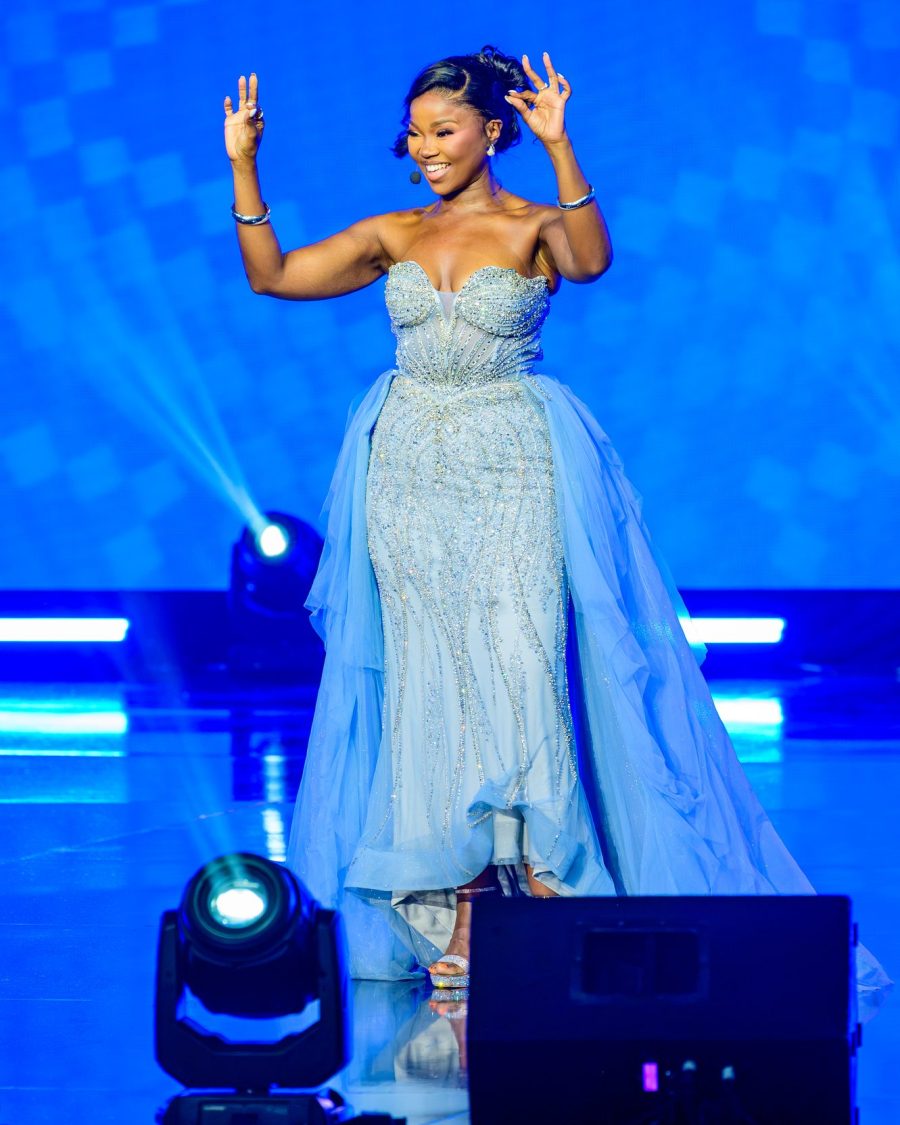
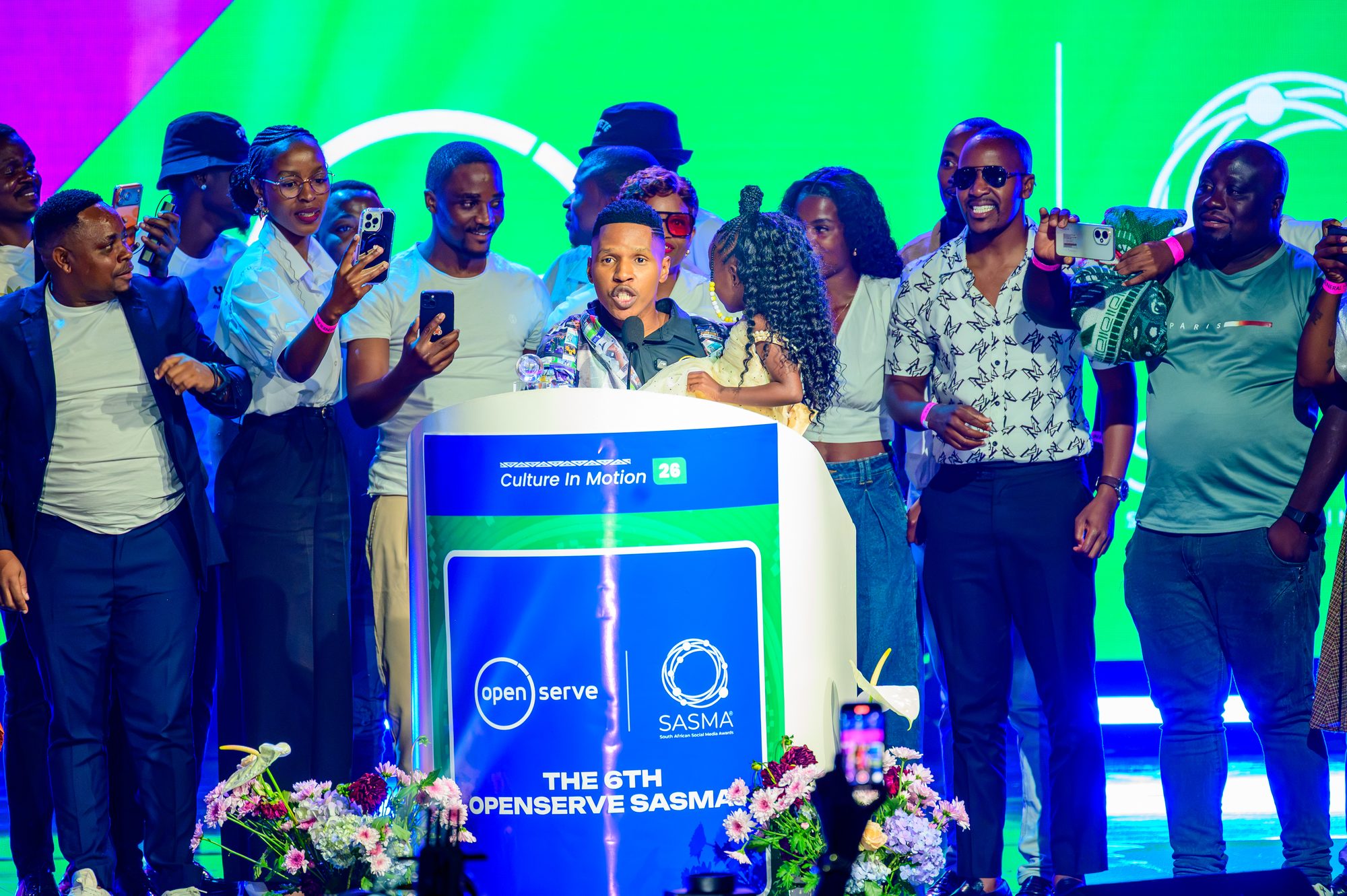
The sixth annual South African Social Media Awards marked a new chapter for the event, with Openserve’s first-ever headline partnership recognising the people turning creativity, influence and digital communities into businesses. Under the theme Culture in Motion, the partnership brought two sides of the same connection into one room.
South Africa’s creative industry has spent years building audiences, creating communities and finding ways to turn attention into opportunity. Increasingly, the people behind that work are not simply content creators. They are entrepreneurs, business owners and employers operating in an industry that continues to find its commercial footing.
That reality was at the centre of the sixth annual South African Social Media Awards (SASMAs), held at Mosaïek Theatre in Fairland, Johannesburg, on Saturday, 21 November 2026.
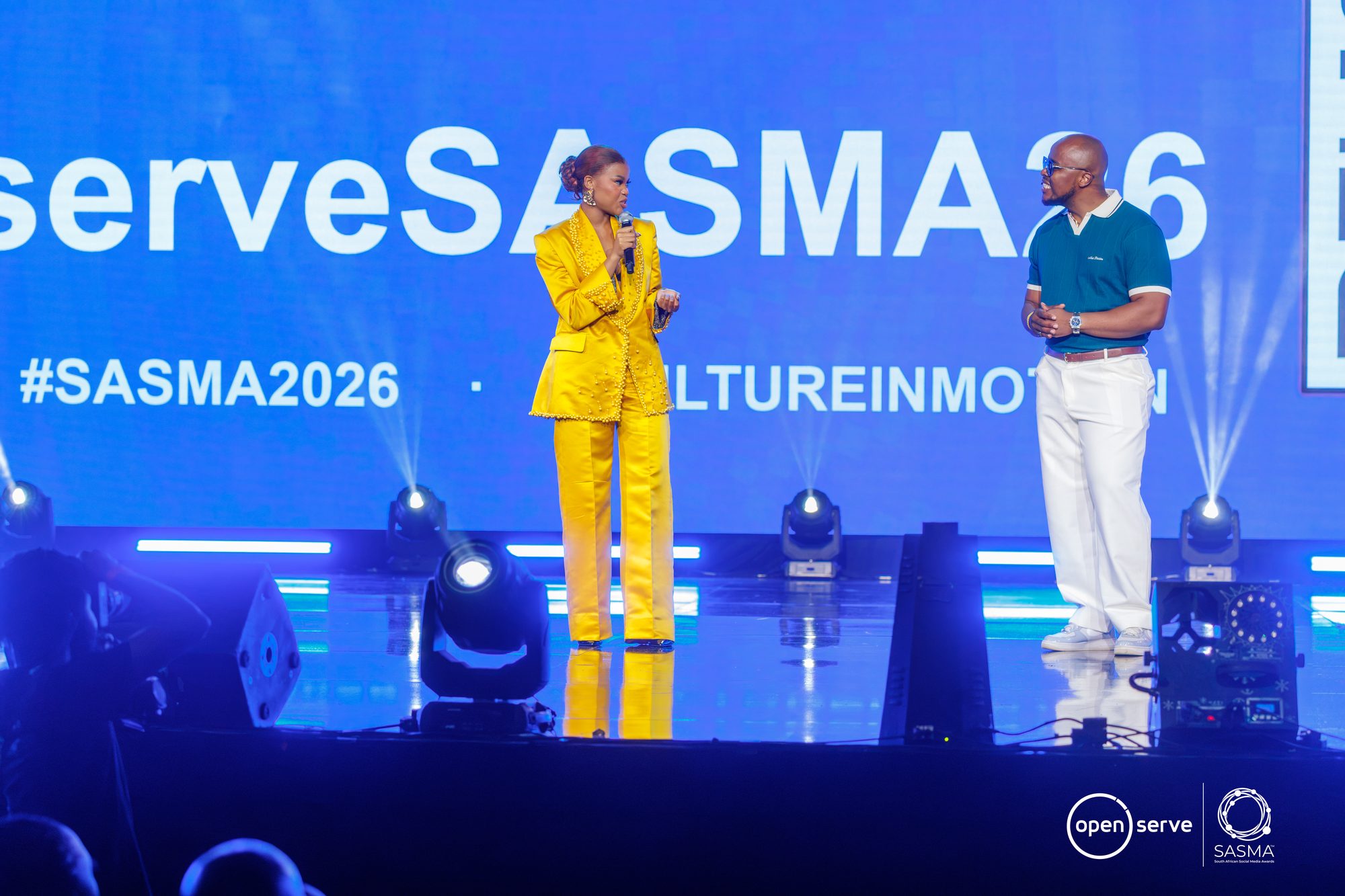
This year’s ceremony marked a significant milestone for the awards, with Openserve coming on board as its first-ever headline sponsor. Introduced earlier in April as a new chapter for the SASMAs, the partnership brought together two organisations whose work, in different ways, is built around connection.
For SASMA, that means connecting creators with audiences, communities and opportunities. For Openserve, South Africa’s leading fibre network infrastructure provider, it means building the infrastructure that allows people to connect in the first place.
Addressing the room, Openserve’s Communications and Marketing Executive, Slungile “Slu” Mlambo, acknowledged that the relationship might not be immediately obvious to everyone.
“People sometimes ask me – What does a fibre company have to do with creators? And the answer is everything,” she said.
It was a straightforward answer to a partnership that carries a bigger message: the creator economy is an industry worth recognising, investing in and taking seriously.
“It’s work, it’s income, it’s real businesses,” Mlambo said.
That recognition from corporate South Africa matters. For a long time, much of the work happening across social media has existed outside traditional definitions of business and employment. Yet behind the accounts, videos, podcasts and online communities are people developing brands, building audiences, securing commercial partnerships and creating their own sources of income.
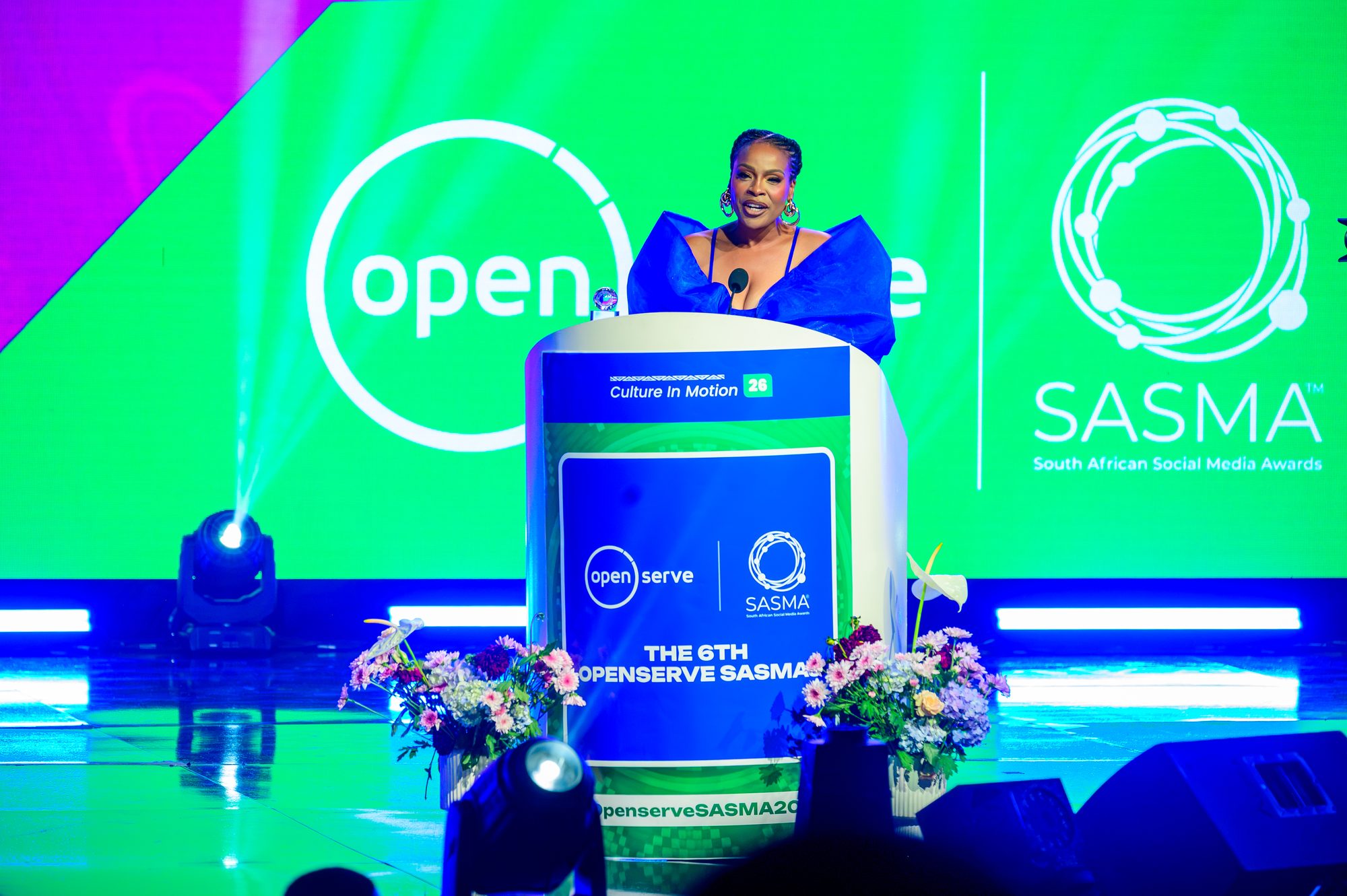
The SASMAs have become one of the platforms recognising that work. Openserve’s decision to put its name behind the 2026 edition adds another layer of legitimacy to an industry that is still developing its structures and opportunities.
“Our job is to build that network, and your job as creators is to fill it with your stories,” Mlambo told the audience.
It is a relationship that extends beyond the awards ceremony itself. As more of South Africa’s entertainment, media, retail and business activity moves into digital spaces, connectivity becomes part of the infrastructure supporting the creative economy. The ability to produce, upload, stream, distribute and reach audiences is no longer separate from the business of creating content.
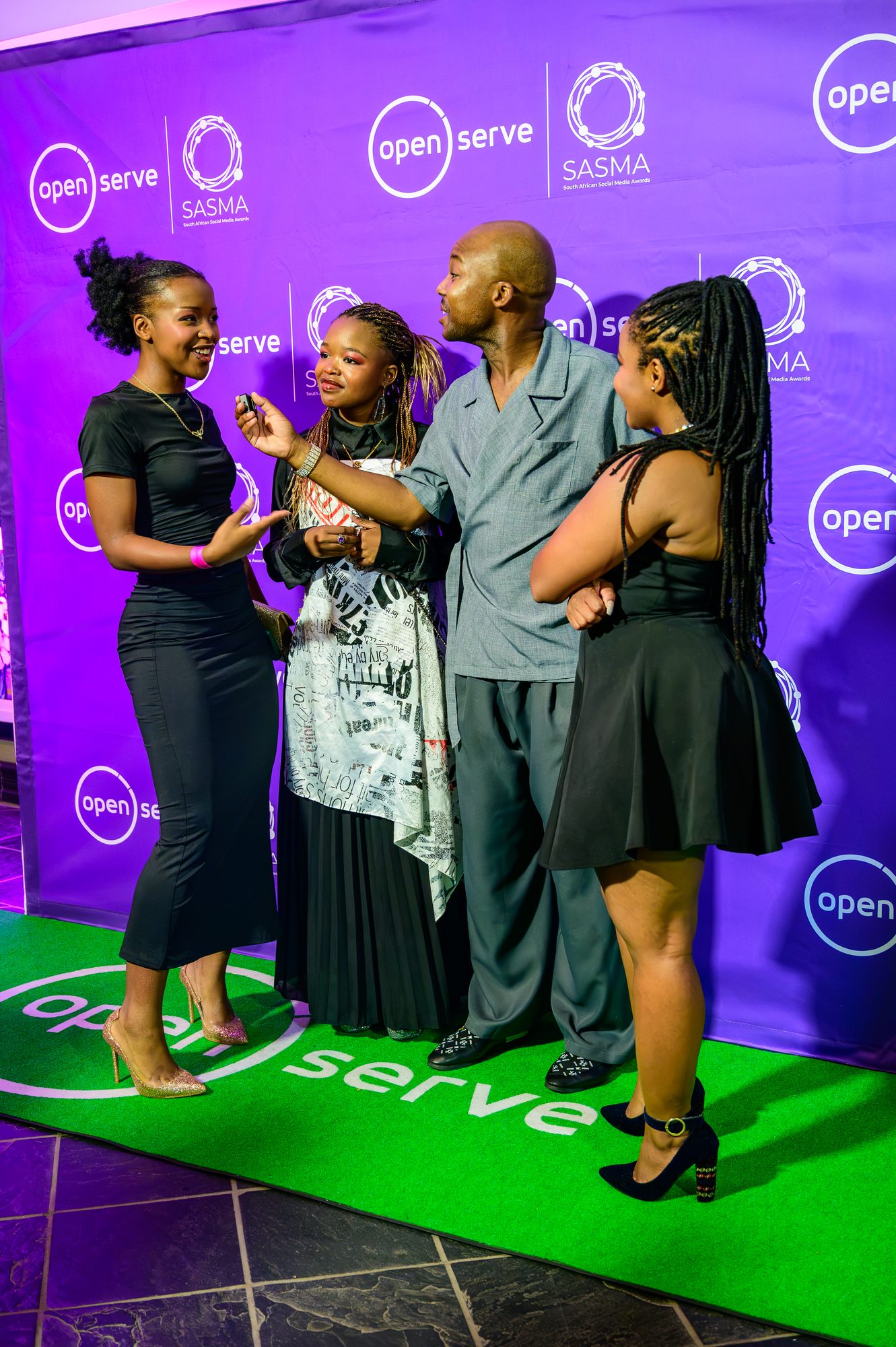
Mlambo brought that point closer to home with a reference to the opportunities that better connectivity can create for local talent.
“We lay fibre so that a bedroom studio in Thembisa can reach the same audience as a studio in London.”
The significance of that statement is particularly relevant in a country still grappling with unemployment and limited opportunities for young people.
Statistics South Africa’s latest Quarterly Labour Force Survey, for the third quarter of 2026, puts the official unemployment rate at 33.7%. Among young people aged 15 to 34, unemployment stands at 47.3%. That means almost one in every two young people in the labour force is without work.
Against that backdrop, industries that create alternative routes to income, enterprise and employment deserve greater attention. The creator economy is one such space, offering opportunities that extend beyond the individual creator to photographers, videographers, editors, producers, designers, managers, talent agencies, event organisers and other businesses supporting the work.
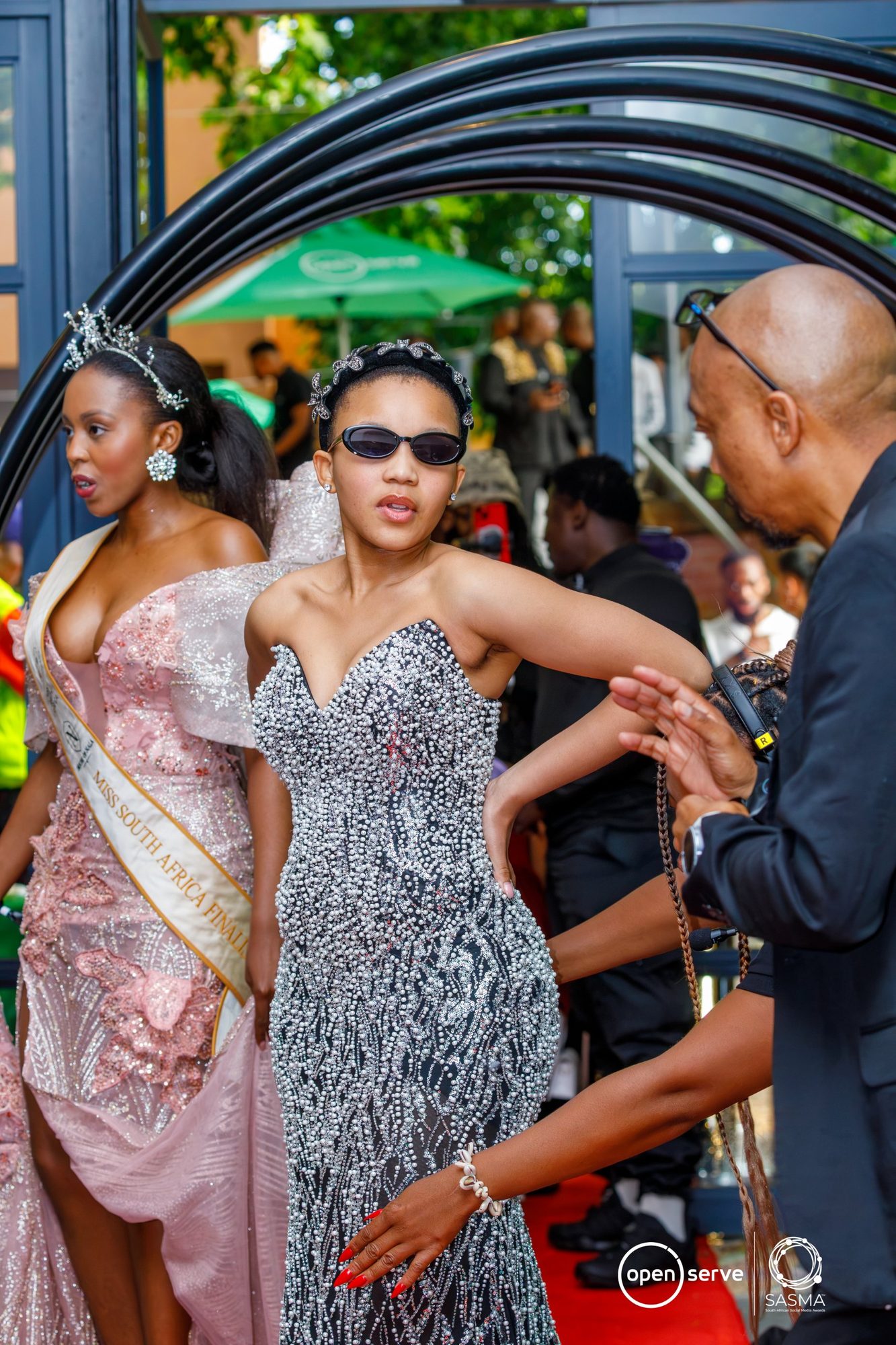
The opportunity is not limited to South Africa. The Africa Creator Economy Report 2.0, published in January 2026, estimates the continent’s creator economy at approximately US$3 billion, with projections that it could exceed US$17.8 billion by 2030. However, the report also highlights the income challenges creators continue to face, with around 60% of surveyed African creators earning less than US$100 a month from their digital work.
There is clearly an audience and an appetite for African content. The challenge is building an industry that can convert that attention into sustainable income.
South Africa’s digital audience offers an indication of the scale of the opportunity. DataReportal’s Digital 2027: South Africa report estimates that the country had 52.2 million internet users and 34.8 million social media user identities in October 2026. These figures underline the scale of the connected audience, although social media identities should not be read as a count of unique individuals.
For Mlambo, the responsibility is to ensure that infrastructure does not become a barrier to what creators are capable of building.
“Our Culture doesn’t stand still and it shouldn’t have to wait because of slow wifi network and that’s where Openserve comes in,” she said.
Openserve says its fibre infrastructure now stretches across more than 180,000 kilometres, connecting 97% of municipalities, while the company continues to expand into townships and previously underserved areas. That expansion is important because the opportunity to participate in the digital economy should not be determined by where someone lives.
“When the connection is strong, talent decides who wins and not your postal code,” Mlambo said.
The awards themselves offered a glimpse into the diversity of that talent. Ghost Hlubi took home South African Social Media Dominance, while five-year-old Zuluboy, who creates content alongside his mother, Siphe Lujabe, in the Eastern Cape, won both Social Media Child Influencer of the Year and the People’s Choice Award.
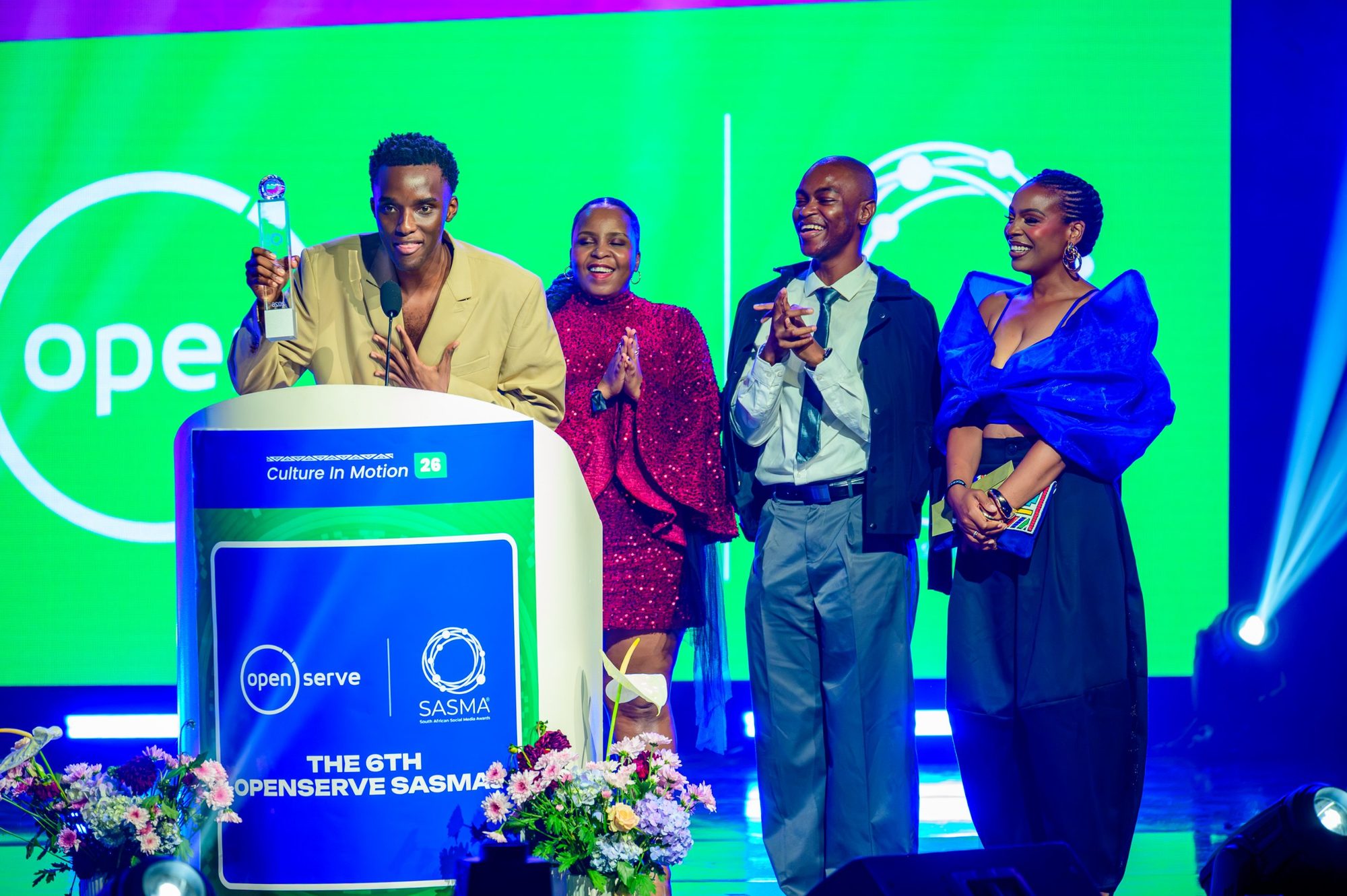
Elsewhere, William Last KRM was named African Social Media Star of the Year, Babu Dokotela won Podcast of the Year, Shabba Wama 2K took Kasi Content Creator and Sino Ndofaya was recognised as Emerging Social Media Personality of the Year.
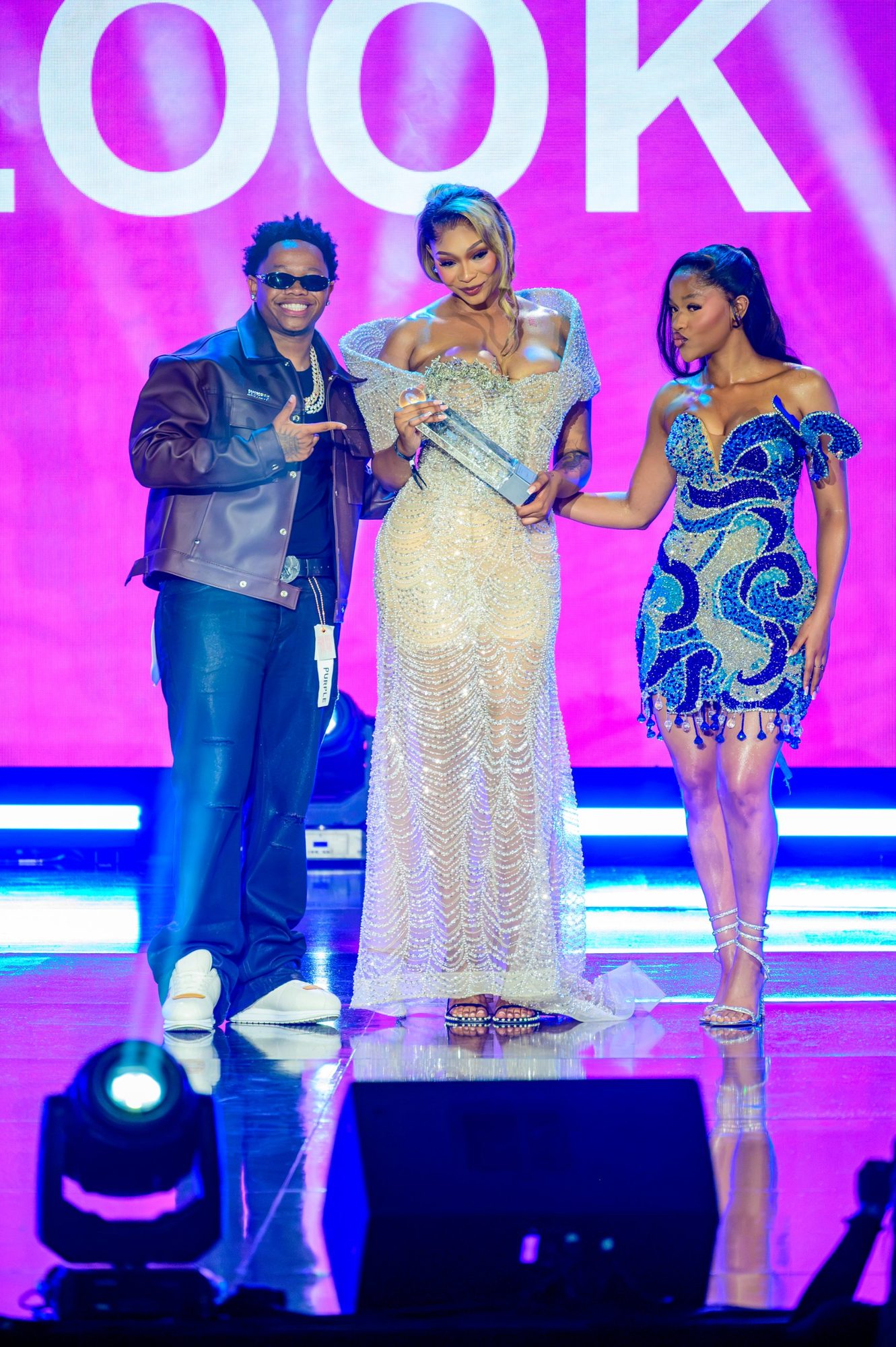
Openserve also introduced two employee-voted awards alongside the 27 public categories. Simthande Myeza received the Openserve Connector Award, recognising the ability to bring people together through content, while PapaWawa took the Openserve Next Award, adding to his Sports Influencer of the Year win.
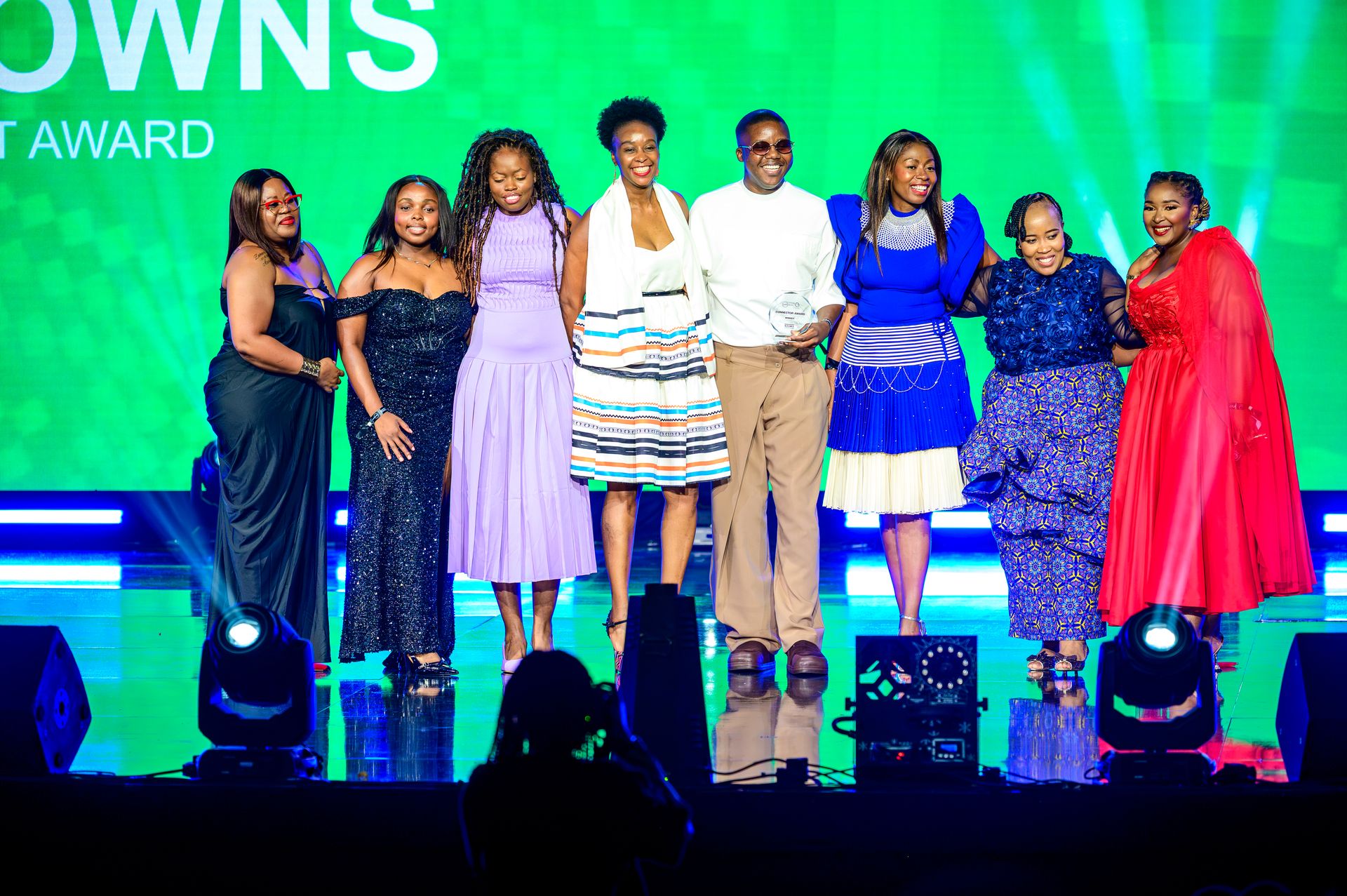
The range of winners reflected an industry that cannot be reduced to one platform, one audience or one type of creator. It is an ecosystem encompassing entertainment, education, sport, fashion, food, gaming, podcasts and everyday South African experiences.
There is still work to be done. Recognition needs to translate into meaningful commercial opportunities, better access to infrastructure, investment, skills development and protections that allow creators to build sustainable businesses. A headline partnership is an important signal, but the long-term value will be measured by what the industry is able to build beyond one night.
For now, Openserve’s involvement is a welcome acknowledgement that the people shaping South Africa’s digital culture are also contributing to its economy.
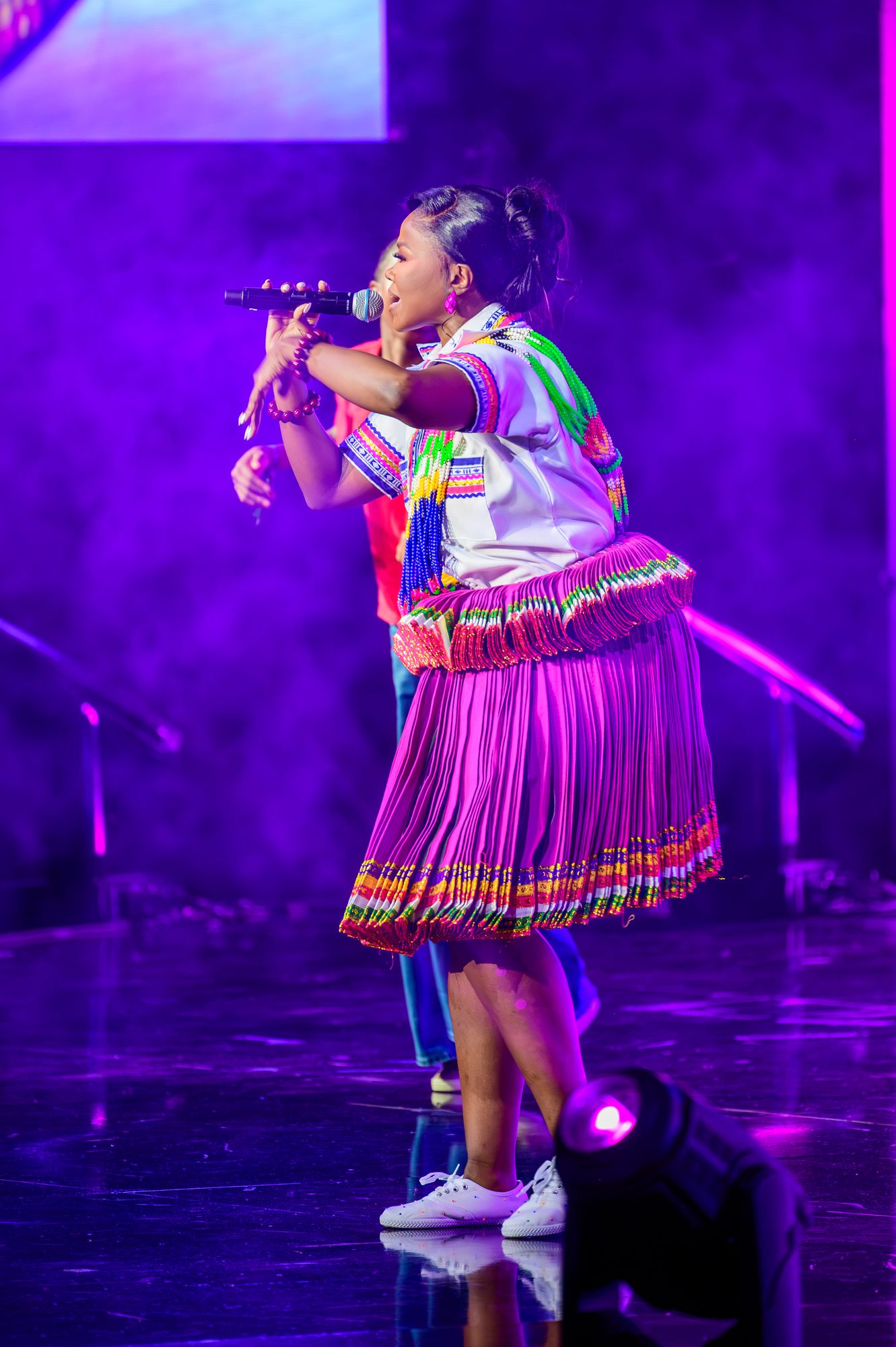
Mlambo left the room with a message that brought the partnership and the evening’s theme together.
“Stay rooted, stay curious and stay proudly South African.”
And with that, she closed: “Let’s keep culture moving.”
More from BTV
All stories →
Mayonie Open Air Sets The Stage For The Evolution Of Afrohouse
Mayonie Open Air returns to Constitution Hill on Sunday, 29 November, for its second edition, bringing…

Concert Week Is Back: R200 Tickets for Limp Bizkit, Kehlani, John Legend and More
Big Concerts has opened a limited batch of R200 tickets to selected music and comedy shows, on sale until…
HOW AFDA'S LEE-SOULAÉ IS TURNING GUITAR LOOPS, HAIR POSITIVITY & SELF-LOVE INTO AN UNMISSABLE LIVE SHOW
From her Nebai EP and “A Little Skin” to Sunday’s I Hate My Hair live album launch at…