
Soweto Fashion Week Brings Colour, Emerging Talent and Creative Collaboration to the Runway
Soweto Fashion Week Spring/Summer 2026 brought three nights of fashion, fresh design perspectives and creative collaboration to Soweto Theatre.
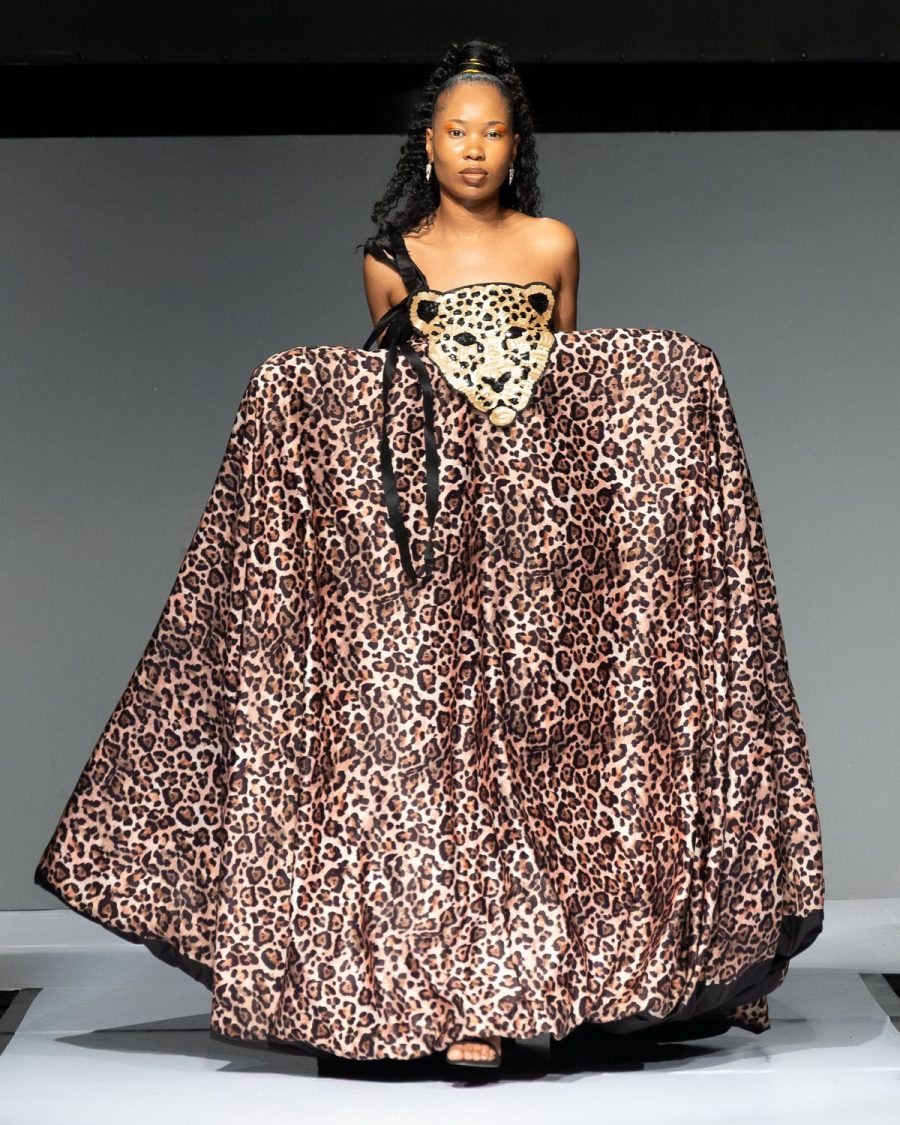
Soweto Theatre became a meeting point for fashion, creativity and emerging talent from 5 to 7 November as Soweto Fashion Week presented its Spring/Summer 2026 season.
Across three nights, the platform brought together established designers, emerging labels and student collections, offering a look at the different directions South African fashion is taking. From elevated streetwear and African-inspired prints to occasionwear and contemporary sportswear, the season presented a diverse range of interpretations of the Spring/Summer wardrobe.
One of the season’s notable moments was the runway modelling debut of actress Nasiphi Ntabeni, known for her role as Nontsikelelo “Ntsiki” Mabandla in Mzansi Magic’s Inimba. She walked for Precious Lulu Couture during the second night.
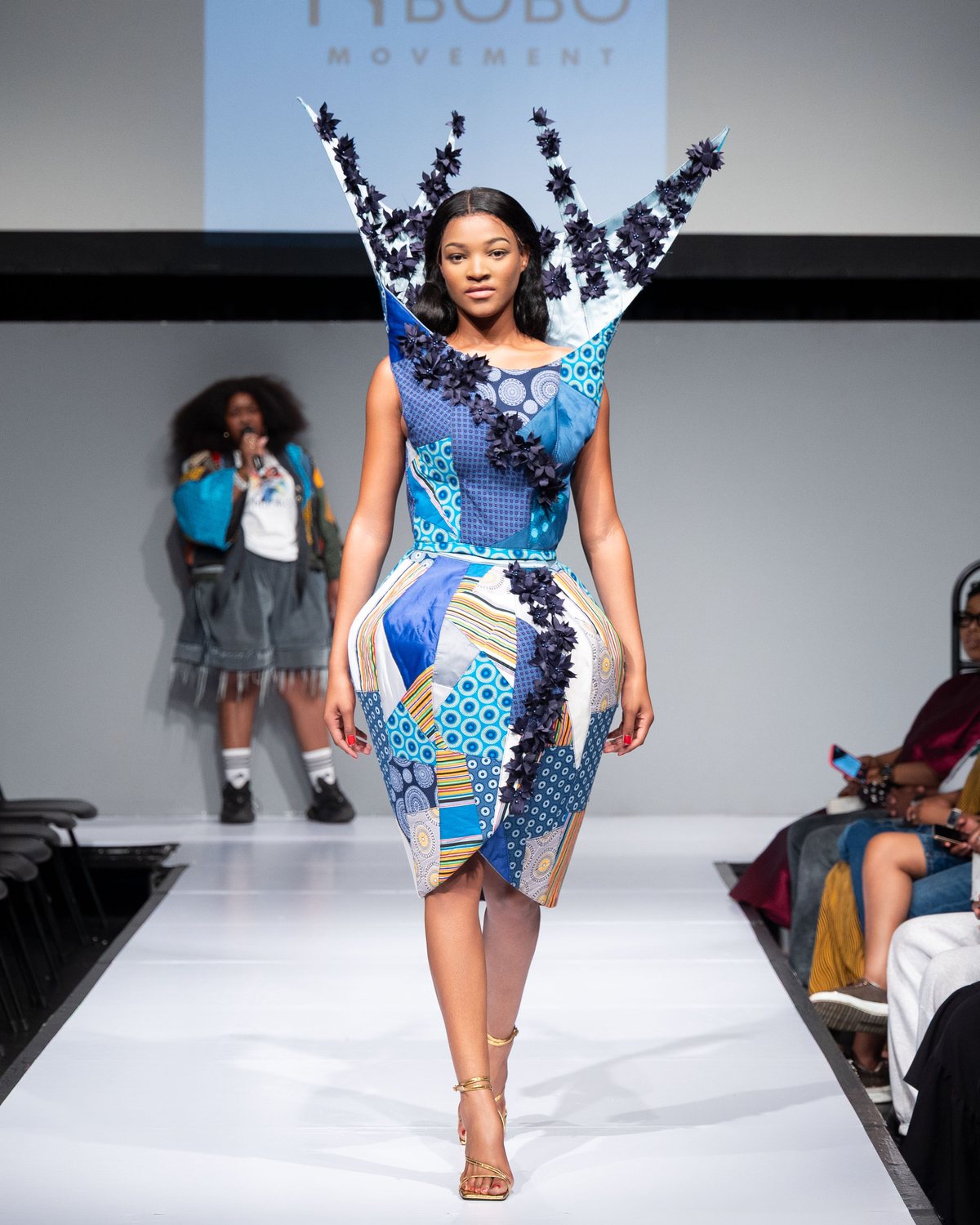
A platform for emerging designers
The opening night placed emerging designers in the spotlight, with RFL Studios introducing MORWAMOTHO, a menswear collection drawing on the Setswana phrase meaning “son of man”.
The collection explored the relationship between streetwear and more structured tailoring, incorporating denim, suiting, natural cottons and linens. Accessories, including printed bucket hats and fringed canvas totes, completed the presentation.
Lethu Textiles brought a different energy to the runway with bold African prints, vivid colours and expressive silhouettes. Its collection included patchwork-style wide-leg trousers and a lime-green floral dress finished with pink detailing and tulle.
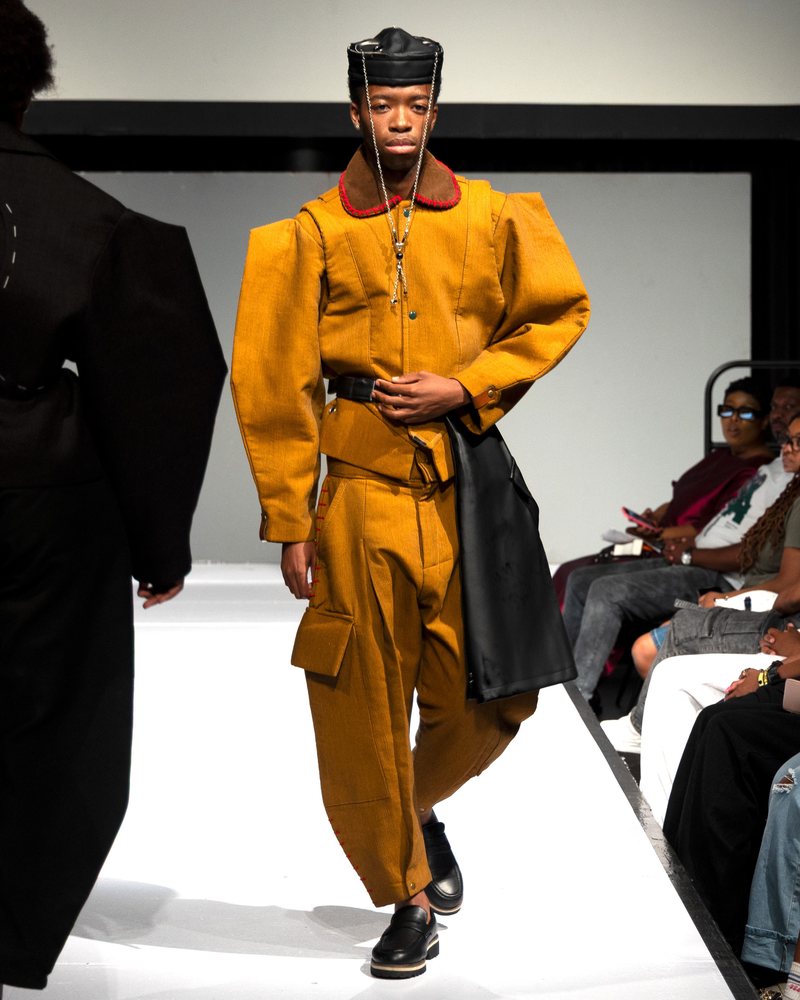
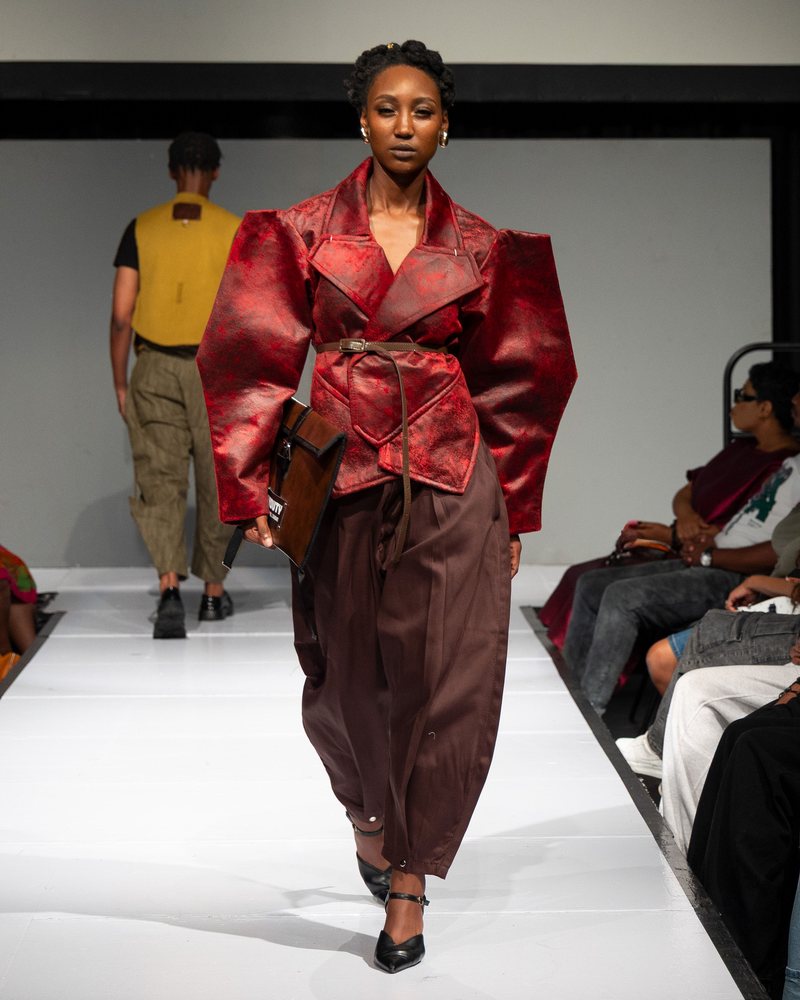
The second night continued with Style by Ali’s Onduty collection, which experimented with colour, oversized silhouettes and utility-inspired pieces.
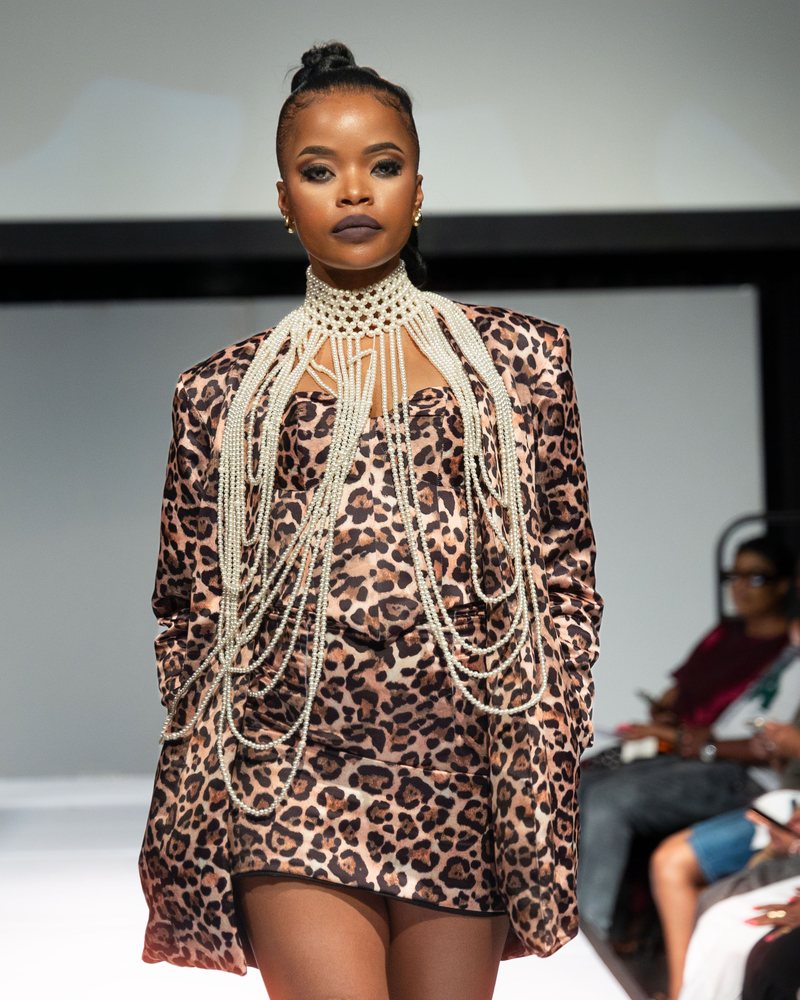
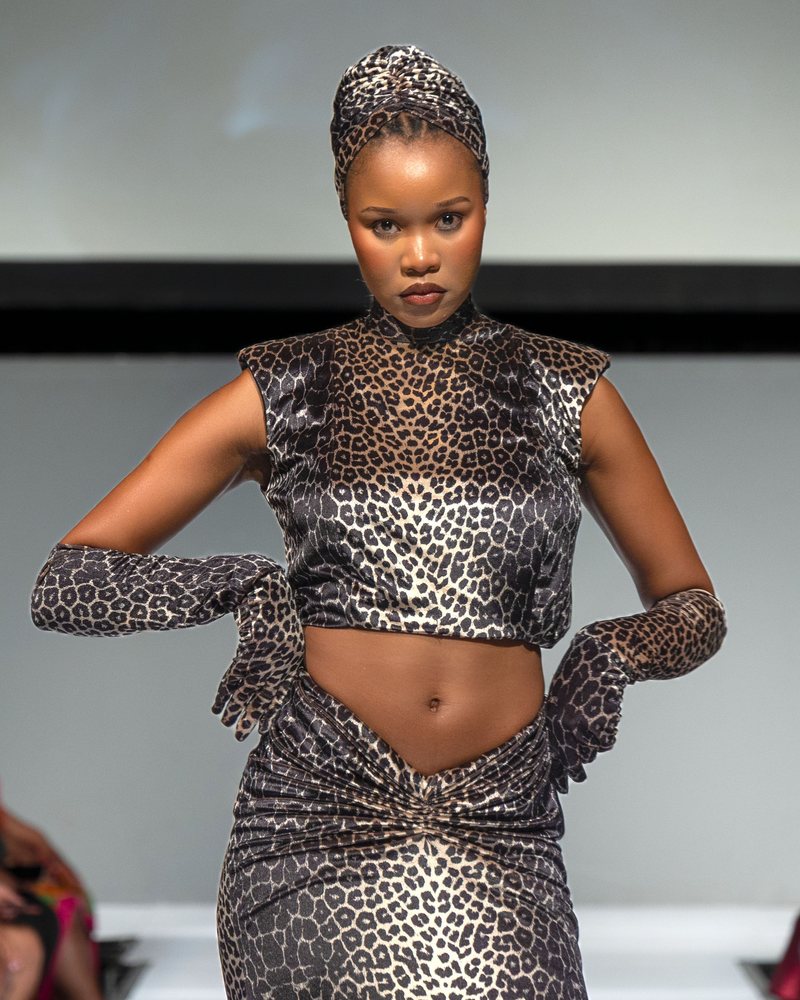
Precious Lulu Couture presented a personal collection rooted in heritage and identity, drawing on leopard print and the symbolism of the black panther. The designer also shared the runway with four designers from KwaZulu Fashion Hut, an incubation programme focused on mentoring and developing emerging designers.
Their participation highlighted the importance of platforms that extend beyond showcasing collections, creating opportunities for designers to gain exposure and build connections within the fashion industry.
The closing night: Fashion with different personalities
The final evening brought together a range of established and contemporary design perspectives.
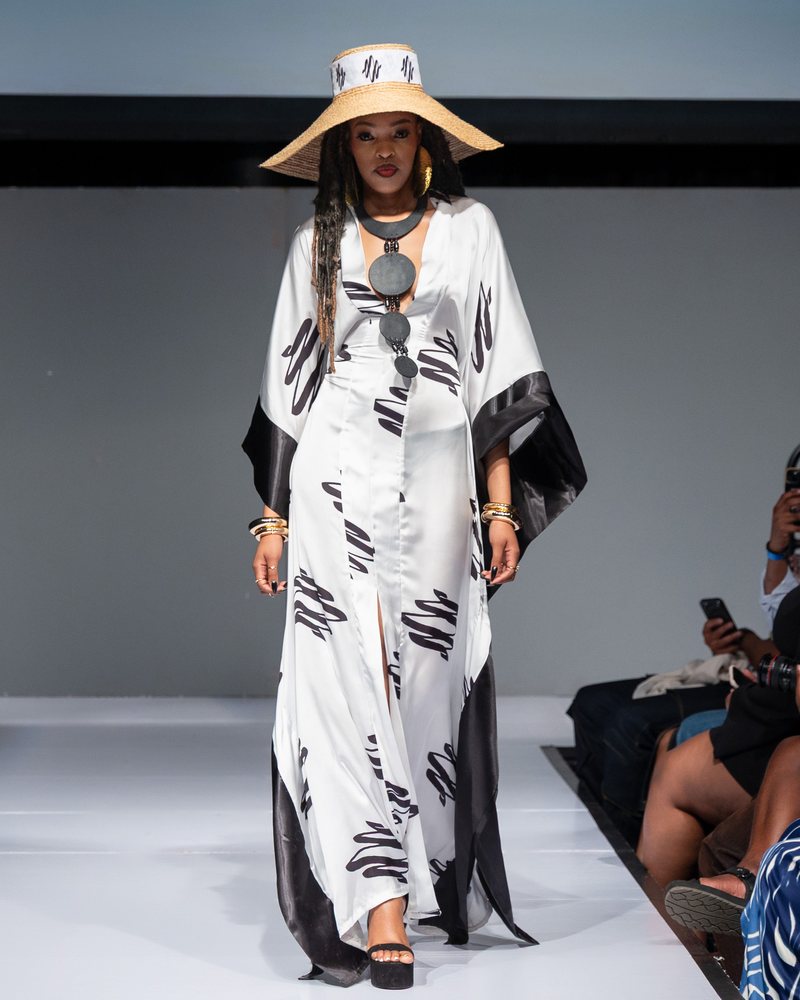
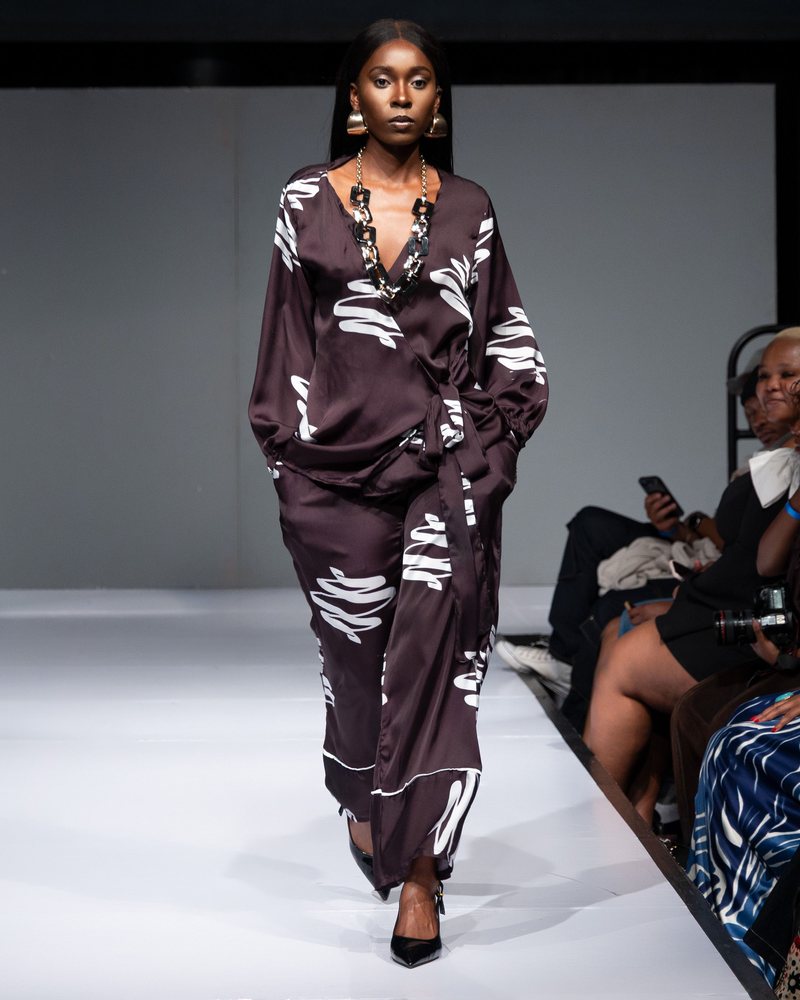
Wanda Wear, led by Wanda Baloyi, presented a collection built around light, flowing silhouettes and seasonal colour. Among the standout looks were a green ball gown, a blue two-piece and printed satin sets in black and white.
Scalo, the label of designer Sello Medupe, brought a more glamorous approach to the runway. Known for dressing some of South Africa’s prominent celebrities, Medupe presented an occasionwear collection featuring embellished mini dresses, feather detailing, sculpted ruffles and statement sleeves.
Dope Store closed the season with a more relaxed, sporty direction. Neon yellow-green accents, tennis-inspired details, baseball-style tops and graphic pieces featuring Arthur Ashe prints gave the collection a distinctive identity. Relaxed dresses, shorts and trousers rounded off the presentation.
The different collections demonstrated the range of creative identities being represented within South African fashion, from formal occasionwear to street culture and contemporary everyday dressing.
Beyond fashion: Black Wines Matter joins the platform
One of the season’s important developments was the partnership between Soweto Fashion Week and Black Wines Matter.
Founded by entrepreneur Mbali Masike-Malebye, Black Wines Matter brought small wine businesses from its academy into the Soweto Fashion Week environment.
The partnership introduced an opportunity to connect fashion with another part of the creative and entrepreneurial economy, while giving emerging wine businesses access to a platform traditionally associated with fashion and design.
It also raised a broader conversation about visibility and access for Black-owned businesses across industries.
As Masike-Malebye explained, the collaboration reflects a shared commitment to creating opportunities for Black designers and winemakers, recognising that creative growth should not be limited to one industry.
Continuing to build South African fashion
Founded in 2011, Soweto Fashion Week has spent more than a decade creating opportunities for South African designers to present their work, develop industry relationships and reach new audiences.
Its participation as South Africa’s representative to the BRICS International Fashion Federation also places the platform within a wider international fashion conversation.
The Spring/Summer 2026 season continued that work, bringing together different generations of designers, creative disciplines and business interests under one roof.
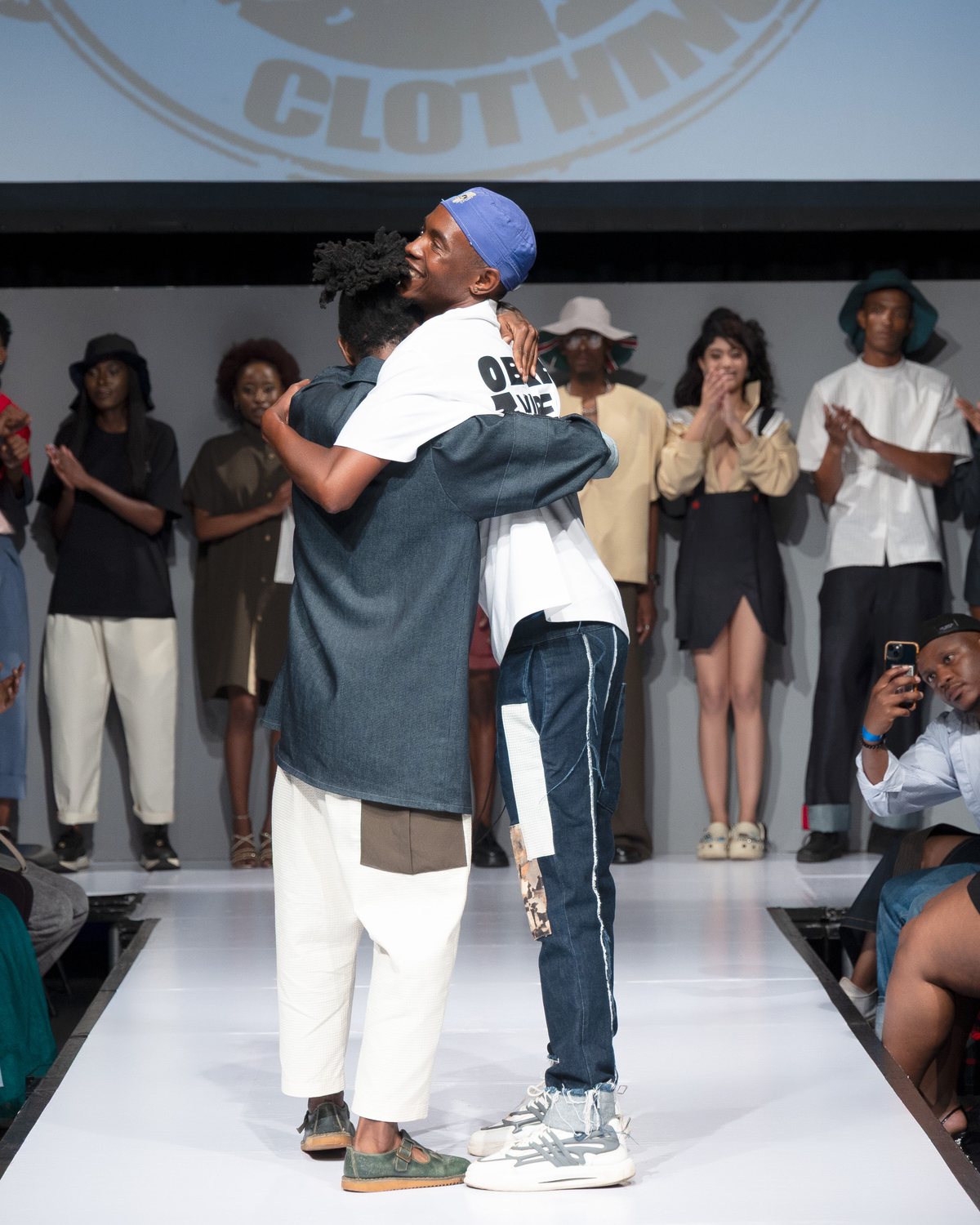
More than simply presenting new collections, the three-day showcase offered another reminder of the importance of platforms that give local talent room to develop, connect and be seen.
BTV
More from BTV
All stories →
HOW AFDA'S LEE-SOULAÉ IS TURNING GUITAR LOOPS, HAIR POSITIVITY & SELF-LOVE INTO AN UNMISSABLE LIVE SHOW
From her Nebai EP and “A Little Skin” to Sunday’s I Hate My Hair live album launch at…
The Kehlani Moment: R&B's Next Chapter Comes To South Africa
Fresh off a GRAMMY-winning year and the success of her self-titled album, Kehlani is bringing her World…
Elegance in Motion: Ayanda Nhlapo on the Future of House Of Ayanda
After presenting a 15-look collection through a creative collaboration between House Of Ayanda and GWM ORA…