
At Corona Never Ending Sunsets, on the Summit Grill rooftop in Pretoria, Calvin Fallo had already given the crowd what they came for. But they wanted more. The crowd began chanting for an encore until the Mamelodi-born producer played “Everybody Wanna Be In Love” again.
It was one of those moments that tells you what a record has become to its audience.
Released in April, “Everybody Wanna Be In Love” has travelled well beyond its initial TikTok momentum. It has become a fixture on radio, made its way into clubs and parties, and established itself as one of the biggest South African records of 2026.
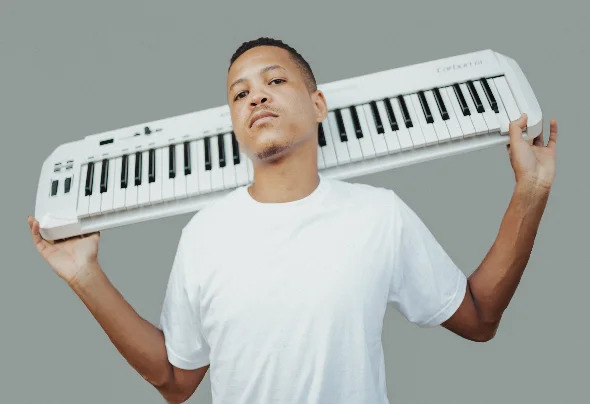
The numbers back up what has been happening on the ground. The record spent 21 weeks on Radiomonitor SA’s Top 40, reaching No. 1 three times. Its four official YouTube uploads have accumulated more than 26 million views, while its TikTok sound has been used in about 1.1 million videos. On Spotify South Africa, it reached No. 2 and remained in the weekly chart for months.
There was even a point when the conversation around the record shifted from its popularity to whether it had been made using artificial intelligence. Fallo addressed the accusations, demonstrated his production process and explained that the vocals were Maasai vocals he had sourced online. The controversy became another talking point around a song that was already travelling.
But beyond the numbers, the most interesting part of “Everybody Wanna Be In Love” is the sound behind it.
Calvin Fallo did not simply deliver a hit. He brought a sound with deep roots in Mamelodi back into the national conversation. And at a time when South African music is constantly moving between genres, sub-genres and new sounds competing for the spotlight, broken beat has found itself with one of the strongest records of the year.
Broken Beat: The Sound of the Year?
South African music is always in motion. Just when you think one sound has settled into its place, another comes along and challenges it.
For a considerable period, Amapiano was the undisputed centre of the conversation. From 2019 to 2025, South African dance music experienced what we can call The Era Of The Scorpion Kings.
The first Scorpion Kings release from DJ Maphorisa and Kabza De Small in 2019 marked the beginning of a defining period for Amapiano. The sound moved from local dancefloors and township parties into the mainstream, dominated radio and streaming, filled venues and eventually found audiences around the world.
It was more than a successful run for two producers. It was a cultural era that shaped South African music and influenced the direction of the wider industry. By 2025, that chapter had reached its close. Amapiano itself did not end with it. The genre evolved, its sound continued to change, and new movements began competing for the position it had held for years.
In 2025, 3 Step came through and took the throne. CIZA, JAZZWRLD and Thukuthela’s “Isaka (6am)” became the soundtrack to that shift, finishing the year as South Africa’s most-streamed song on Spotify, with more than 39 million streams on Spotify. Records such as “Vuka” and “Bengicela” further established 3 Step as a serious force.
Amapiano was not going anywhere, though. It continued to evolve, becoming more dance-driven and percussive. New sounds and sub-genres began finding their audiences, with Sgidongo already making a particularly strong commercial crossover. It is no longer just about the sub-genre itself; elements of its sound are increasingly finding their way into more commercially successful records. Boots, Zoom and Dub are also part of the changing conversation.
Elsewhere, Gqom is showing exactly why it should never have been written off.
Born in Durban, the sound has continued to develop, finding new expression among a generation of producers and artists. It is increasingly finding its place in Johannesburg, too. The newer wave is not necessarily trying to recreate the Gqom that dominated the conversation years ago. Instead, it is expanding the sound and taking it into different directions.
Look at Uncle Waffles’ “Cn I see u”, featuring DJ Lag, Royal MusiQ, BXKS and BarbieSZN. The record brings a harder Gqom influence into a wider dance music setting. Q2K’s “December Bimbo”, featuring Beko with Da Fatty and BarbieSZN, is another example, while Q2K’s more recent “Guestlist”, featuring BarbieSZN and Peyton, continues that direction.
These are the kinds of records showing how the sound is expanding, both through new-age Gqom productions and through its elements making their way into different musical spaces. Further down, Johannesburg’s underground has its own developing Gqom and Gqom-trap movement, with Brother Kupa, jaykatana and Osl1nn among the names to watch. Kea Mandela’s recent self-titled tape is another addition to that conversation.
Lekompo has also made its presence felt, particularly in the Song of the Year conversation. Kharishma’s “Chokeslam” and Shebeshxt’s “Rato Laka” demonstrated the strength of the Limpopo sound across regional radio. Afro Tech, meanwhile, continues to grow its international footprint.
There is a lot happening at once. And that is what makes this moment interesting.
Broken beat now has a strong claim to being the sound of 2026. Not because the other genres have disappeared, but because one of the year’s biggest records has come from a sound that was once central to Pretoria’s underground dance culture.

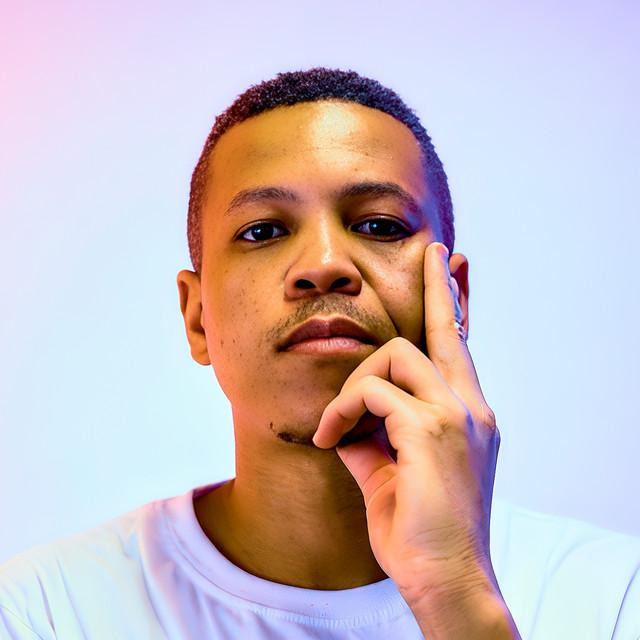
Back to Mamelodi
To understand the significance of Fallo’s success, it is worth going back to where the sound comes from.
Broken beat was a major part of Mamelodi and Pretoria’s underground dance music movement. Around 2016 to 2018, the sound was particularly active, with Calvin Fallo among the producers helping push it forward through records such as “Yellow Yellow”.
Its connection to Amapiano is an important part of the history. The development of the sound that eventually became Amapiano did not happen in isolation. MFR Souls are rightly recognised among the pioneers who helped shape its early identity, while the wider story of its origins includes both Johannesburg’s East Rand townships and Pretoria’s Mamelodi and Atteridgeville.
There is still debate about exactly where Amapiano began, but the influence of the Pretoria dance music scene is part of that story. Broken beat was one of the sounds feeding into that wider musical evolution.
It is also a history that connects several artists who have continued to shape South African dance music.
Lady Zamar is one of those connections.
Before the current Amapiano landscape took shape, she was already working with Junior Taurus on broken beat and broken beat-inspired records, including “Mamelodi”. She also collaborated with Calvin Fallo and Junior Taurus on “Go There”. Her history with the sound makes her an especially interesting figure in Fallo’s latest musical chapter.

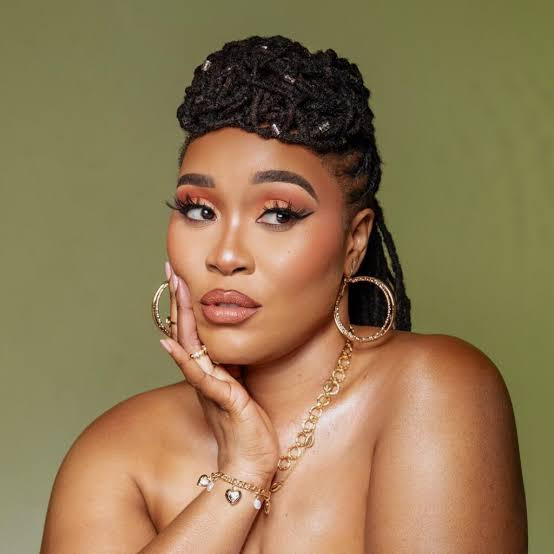
And that brings us to “In The Mood”.
Calvin Fallo and Lady Zamar: Back to the Sound
Following the success of “Everybody Wanna Be In Love”, Calvin Fallo has reunited with Lady Zamar for his new single, “In The Mood”.
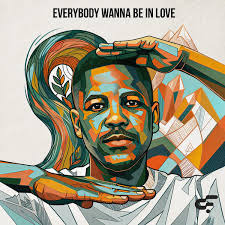
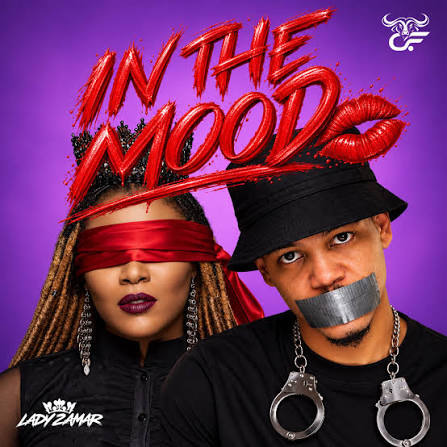
The collaboration brings together two artists who have a shared history, but it also returns the conversation to a sound that both have explored before.
The new record combines Amapiano, electronic dance music and the Broken Beats sound rooted in Mamelodi, with a stronger electronic direction. Lady Zamar provides the vocal centre, while Fallo builds around the rhythms and influences that have become part of his musical identity.
The official visualizer arrived on 30 October, giving the collaboration another moment in the spotlight.
For Lady Zamar, the connection to broken beat goes beyond this latest release. Her work with Junior Taurus, her earlier collaboration with Fallo and her Pretoria roots all form part of the history behind the record.
For Fallo, the timing is particularly interesting. He has just delivered one of the year’s biggest songs with a sound rooted in that same musical culture. Now he is working with a vocalist who was also part of its earlier chapter.
It gives “In The Mood” a significance beyond being the follow-up to a successful single. It places two artists with a shared history back in the same conversation, at a time when the sound they helped explore is finding a much bigger audience again.
The Song of the Year question
So, where does “Everybody Wanna Be In Love” stand in the race for Song of the Year?
At this point, it has one of the strongest cases. Its run across radio, streaming, video and the streets makes it difficult to overlook. In terms of overall dominance, Fallo’s record has set a serious benchmark for 2026.
It also survived the Ice Man wave. When Ice Man dropped and took over the charts, “Everybody Wanna Be In Love” was the one record still competing with it and holding its ground. It was not simply a case of Fallo’s record enjoying an uncontested moment; it continued to stand up against a song that had taken over the conversation.
But there is a difference between being the most dominant song of the year and being the song that takes the country into the new year.
The final stretch always changes the conversation. Records that have been building throughout the year still have to compete with the songs that capture the mood towards December. TMan Xpress and Mellow & Sleazy’s “Remember”, for example, is one of the hottest records on the streets right now and has established itself as a serious contender.
There are other records making their own cases, too. The question is no longer just which song had the biggest run, but which one will people still be demanding when the year comes to an end.
That is what makes this year’s race worth following. There is no shortage of contenders, and the final outcome will be shaped by more than one platform, station or audience.
Stay with BTV as the Song of the Year race unfolds. We’ll be following the records, the movement and the conversations shaping the final run into 2027.
For now, Calvin Fallo has given us the record to measure the conversation against.
The bigger story, however, might be what happens next. Broken beat has found itself back in the middle of South African music’s ongoing sound wars, and Calvin Fallo is one of the artists leading that moment.
Whether “In The Mood” continues the run, whether another broken beat record follows, or whether a completely different sound takes over before the year is out remains to be seen.
One thing is clear: Mamelodi has put its sound back on the map, and 2026 might just be remembered as the year broken beat came back into its own.
Listen to the records:
More from BTV
All stories →
HOW AFDA'S LEE-SOULAÉ IS TURNING GUITAR LOOPS, HAIR POSITIVITY & SELF-LOVE INTO AN UNMISSABLE LIVE SHOW
From her Nebai EP and “A Little Skin” to Sunday’s I Hate My Hair live album launch at…
The Kehlani Moment: R&B's Next Chapter Comes To South Africa
Fresh off a GRAMMY-winning year and the success of her self-titled album, Kehlani is bringing her World…
Elegance in Motion: Ayanda Nhlapo on the Future of House Of Ayanda
After presenting a 15-look collection through a creative collaboration between House Of Ayanda and GWM ORA…