
Five Sons, Five Stories: The Business Behind House Of Jacqui
What began as a personal story has developed into a business that brings together brand strategy, lifestyle, hospitality and wine. For Jacqui Mabuza, House Of Jacqui is not simply about what goes into a bottle. It is about building a brand around family, experience and the connections between people and businesses.

A personal story at the centre of the business
“Five sons. Five stories. One legacy.”
It is a simple line, but it gives an indication of the thinking behind House Of Jacqui. The story of the business is closely connected to Jacqui Mabuza’s own life, including the experience of pregnancy with her twin sons. That personal chapter forms part of the origins of a brand that would eventually develop into something much broader.
Today, House Of Jacqui is a boutique agency working across brand strategy, marketing, communications, partnerships, hospitality and curated lifestyle experiences. Jacqui describes it as primarily a boutique bespoke agency in marketing, communication and brand building, with wine as just one pillar, or one door, in the house.
The name is deeply personal. It represents her, her journey and the legacy she wants to build for her family. The word “House” is intentional: it speaks to “belonging, heritage, identity and something that can grow beyond an individual”.
That distinction matters. Jacqui is not approaching wine as an isolated product opportunity. She is building a business around the ways people experience brands, places and each other, with wine providing one avenue through which those experiences can take shape.
Her professional background spans more than three decades in corporate and commercial environments, including work across marketing, communications, travel, tourism, aviation, hospitality and luxury experiences. Her experience includes organisations such as British Airways, Tsogo Sun, Montecasino, Mango Airlines, SAMRO, MSC Cruises and Royal Caribbean Africa.
That range of experience gives context to the wider House Of Jacqui proposition. The business draws on knowledge of how brands communicate, how experiences are developed and how partnerships can bring different audiences together.
How wine became part of the picture
Jacqui’s relationship with wine developed over time. About 14 years ago, when she was expecting her twin sons, Zolile and Lukhanyo, a business trip to Cape Town introduced her to the region’s wine farms. She could not taste the wines at the time, but she was fascinated by the stories behind each farm. At a small, family-owned farm, the owners suggested she consider having her own bespoke barrel of wine. She did not jump at the idea immediately, but it never left her mind.
What began as an interest gradually became a business idea. House Of Jacqui was registered in 2024, built around the belief that wine should be accessible, enjoyable and part of life’s memorable moments.
The wine collection is inspired by her five sons, with each wine carrying one of their names: Luyolo Cabernet Sauvignon, Aneme Red Blend, Thandolwethu MCC, Zolile Sauvignon Blanc and Lukhanyo Chenin Blanc. Thandolwethu is named after her middle son.
The personal connection is central to the identity of the range. These are not simply product names selected for a label; they sit within the idea of family and legacy that runs through the brand. “I want people to enjoy the wines, but I also want them to connect with the story behind them,” she says.
Production is developed in collaboration with a boutique wine farm in Wellington. The relationship brings together the farm’s winemaking expertise and Jacqui’s perspective on branding, the consumer and the direction of the product. The cultivars and blends are selected through that collaboration, rather than House Of Jacqui operating its own winery. She is actively involved in the selection process, working with the farm to make sure the wines reflect the identity of the brand.
It is a model that allows the business to develop its own wine identity while working with people who understand the production side of the industry.
More than what is in the bottle
The wider House Of Jacqui business is important when considering where the wine brand is heading.
Its work across brand strategy, communications, hospitality and experiences creates opportunities to take the wines into different environments. A restaurant partnership, a curated dinner, a fashion collaboration or a hospitality experience can all become ways of introducing the product to an audience.
That thinking was evident at Soweto Fashion Week’s Spring/Summer 2026 showcase. Jacqui says she saw a natural connection between wine, fashion, culture and lifestyle, and wanted to reach an audience that is curious, appreciates creativity and is open to discovering brands in new environments.
The brand introduced its limited-edition Lukhanyo Chenin Blanc and Zolile Sauvignon Blanc releases, bringing wine into a setting beyond the more traditional tasting-room or retail environment. Jacqui chose to launch the two, named after her twin boys, as limited editions that suited the audience and the hot weather.
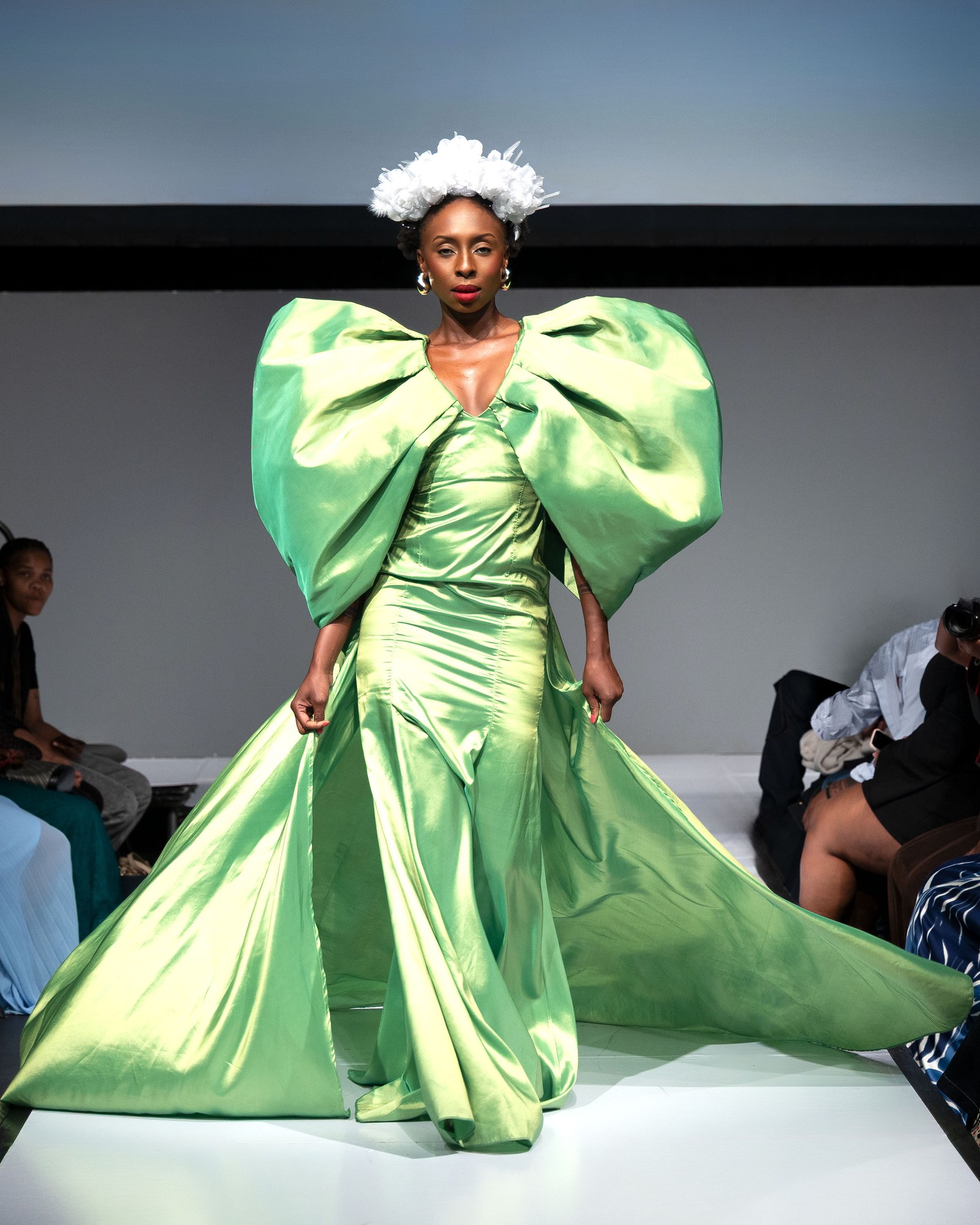
Photo: Sathia Pather Photography
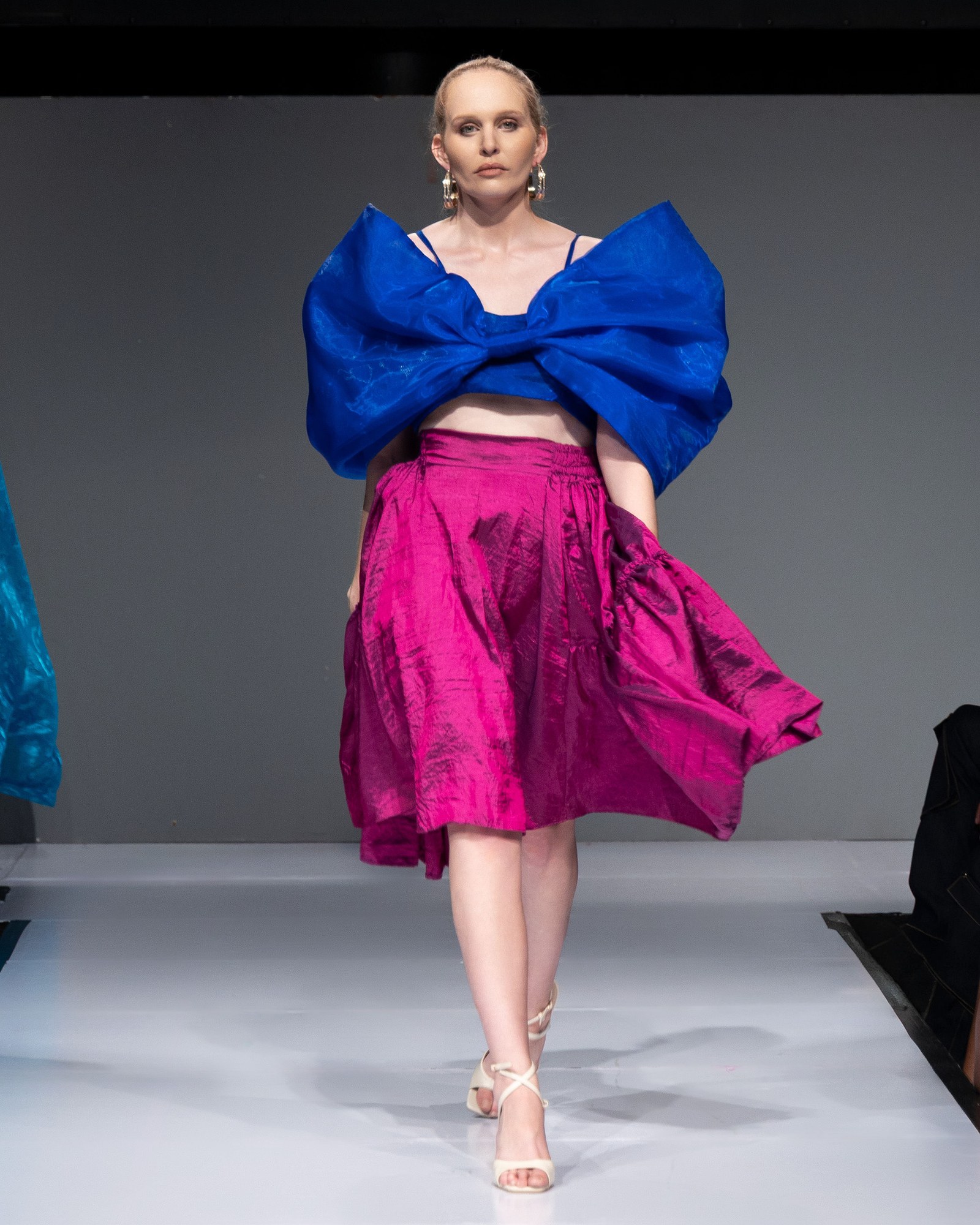
Photo: Sathia Pather Photography
Her involvement was not limited to the product presentation. She secured the Soweto Fashion Week opportunity through designer friend Wanda Baloyi of Wanda Wear, brought LeloMaq Events into the VIP section setup, and presented the wine tasting experience with Black Wines Matter and its founder, Mbali Masike. She describes the atmosphere as “vibrant, energetic and full of creative expression”.
The connection between fashion and wine is not difficult to understand when both are considered through the lens of lifestyle. They have their own industries and commercial structures, but they also share an interest in presentation, identity, experience and the audiences that bring those things to life. “Opportunities for African entrepreneurship certainly lies in collaborations that make sense,” she says.
Soweto Fashion Week offered House Of Jacqui a way to explore that connection and introduce the brand to people who might not otherwise encounter it through conventional wine channels. Jacqui says the experience opened up conversations around collaborations and lifestyle experiences. She believes South Africa’s emerging wine-consuming market is underestimated, and says the traction the business gained after the event showed how large those new audiences are.
Opening doors in the wine industry
Jacqui’s work also extends into the development of the wine industry itself.
She serves as one of three directors of the Black Wines Matter Academy, founded by Mbali Masike-Malebye, who introduced her to the Black Wines Matter family after a mutual friend connected them, and whom she describes as a mentor. The Academy is an incubator that brings together 11 wine brands and focuses on making the industry more accessible through education, mentorship, industry connections and opportunities to reach markets.
That work addresses barriers that are familiar to many independent businesses. For Jacqui, one of the biggest challenges is access: the wine industry is built on generations of relationships, established networks, infrastructure and market access, and a new Black entrepreneur has to build many of those from the ground up. Production costs, distribution, marketing and shelf space add to the pressure.
She does not want to approach those challenges purely from a position of disadvantage. In her view, there is an enormous opportunity to bring new perspectives, new audiences and fresh energy into the industry. Having a good product is only one part of the challenge. A business also needs to understand its market, communicate a clear proposition, build relationships with distributors and find ways to reach consumers. Her network of industry associations has already started bearing fruit, and she says the years spent in corporate are paying off.
Platforms such as Soweto Fashion Week matter, she says, because “talent alone is not always enough”. Entrepreneurs also need access, visibility, networks and opportunities to commercialise what they create. “Visibility must translate into opportunity,” she says.
Building experiences, not just distribution
The next phase of House Of Jacqui involves growing the wine business while developing the wider lifestyle proposition.
Distribution is an important part of that plan, as is the introduction of the remaining three wines in the collection, which form part of her growth strategy. But the ambition also includes building a tasting-room experience, with tasting rooms in strategic locations, that gives people a place to engage with the brand beyond purchasing a bottle. “I want people to experience House Of Jacqui rather than simply purchase it,” she says.
That creates another connection between the different parts of the business. A tasting room can be a place for wine, but it can also accommodate hospitality, curated experiences, partnerships and events. It gives the brand a physical way to bring its identity to life.
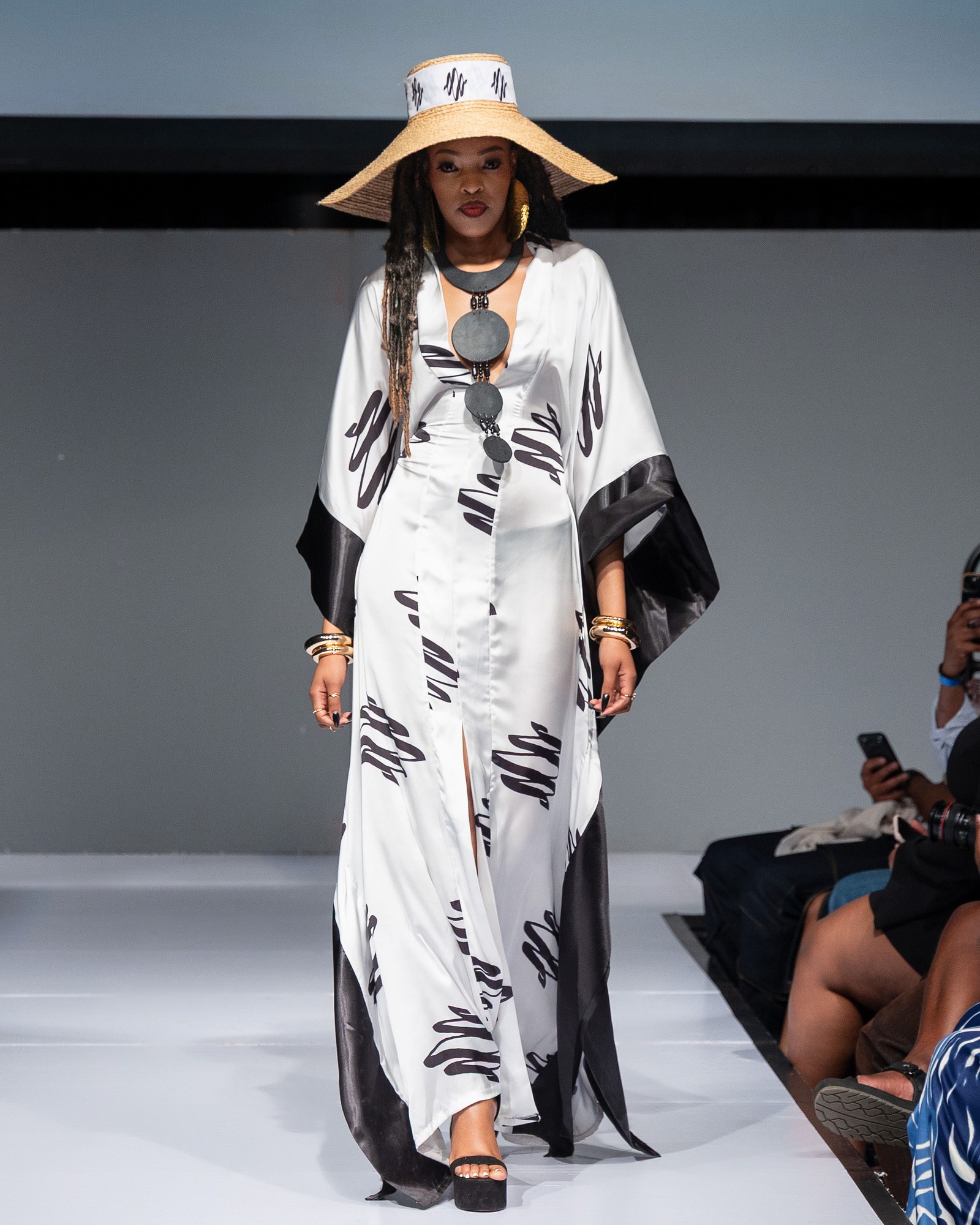
Photo: Sathia Pather Photography

Photo: Sathia Pather Photography
There is also room for collaborations with designers, chefs, boutique hotels, restaurants and other lifestyle businesses. Wine-and-dining experiences, fashion partnerships and curated events are among the possibilities.
Jacqui is already exploring a collaboration opportunity in Nigeria, which she says she is hugely excited about, reflecting an interest in taking the brand into new relationships and markets rather than limiting its development to South Africa.
In the next three to five years, she would like to see House Of Jacqui established as a recognisable South African lifestyle and wine brand, with a strong product portfolio, meaningful distribution and a loyal consumer following, an expanded wine collection and new varietals.
A legacy with room to grow
There is a personal story behind House Of Jacqui, but its future will depend on how successfully that story is translated into a sustainable business.
The wine collection gives the brand a distinctive foundation. The agency provides a wider framework through which it can develop partnerships and experiences. Its work with Black Wines Matter connects that ambition to the wider task of opening the wine industry to more businesses and voices.
For Jacqui, the bigger ambition is legacy. “I want to build a brand that has meaning, that creates opportunities and that my children can be proud of.”
The five names on the bottles carry a family story. What happens next is about turning that story into a business with the reach, partnerships and experiences to share it with a much wider world.
More from BTV
All stories →
HOW AFDA'S LEE-SOULAÉ IS TURNING GUITAR LOOPS, HAIR POSITIVITY & SELF-LOVE INTO AN UNMISSABLE LIVE SHOW
From her Nebai EP and “A Little Skin” to Sunday’s I Hate My Hair live album launch at…

The Kehlani Moment: R&B's Next Chapter Comes To South Africa
Fresh off a GRAMMY-winning year and the success of her self-titled album, Kehlani is bringing her World…
Elegance in Motion: Ayanda Nhlapo on the Future of House Of Ayanda
After presenting a 15-look collection through a creative collaboration between House Of Ayanda and GWM ORA…