
Soweto Fashion Week: More Than the Runway
Beyond the collections and the runway, Soweto Fashion Week is creating space for designers, entrepreneurs and businesses to connect. At its Spring/Summer 2026 showcase, that wider role was visible in the work of House Of Ayanda and House Of Jacqui, and in the conversations around the future of the creative industry.
Fifteen years of creating space
Soweto Fashion Week has spent the past 15 years building a platform for South African designers to present their work, reach new audiences and make connections within the fashion industry. Its Spring/Summer 2026 edition continued that work, bringing together established names, emerging talent and people working across different parts of the creative economy.
For the organisers, the runway is only one part of what the platform is intended to achieve. The bigger ambition is to create opportunities that continue beyond the show itself: relationships with industry stakeholders, potential business partnerships and greater visibility for designers who are working to build sustainable brands.
That distinction matters in an industry where presenting a collection is only one step in a much longer process. Designers still have to find ways to finance production, access manufacturing, reach customers and turn creative recognition into commercial opportunities.
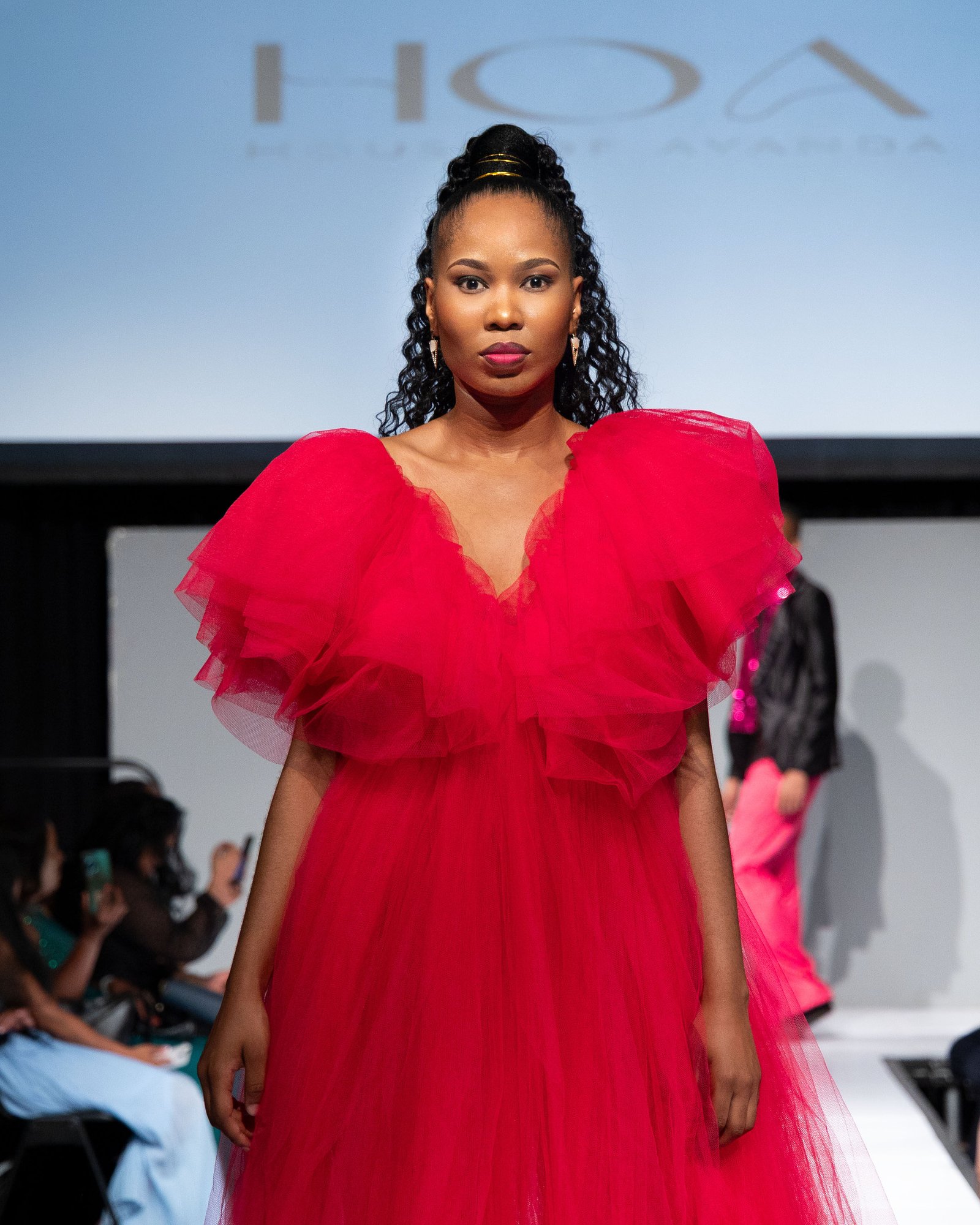
It is a reality that designers such as Ayanda Nhlapo, founder of House Of Ayanda, understand. For her, platforms like Soweto Fashion Week offer an opportunity to put a brand in front of audiences and industry players who might otherwise be difficult to reach. Visibility is important, but so is what can come from it: meaningful relationships, collaboration and the chance to grow beyond a single presentation.
Building a fashion brand beyond the show
House Of Ayanda represents the kind of independent creative business that benefits from having a platform to tell its story. Under Ayanda’s direction, the brand is part of a wider ambition to build an African fashion house with reach beyond the local market.
Her experience also speaks to the work that happens away from the runway. Developing a fashion label requires more than a strong creative vision. It takes business planning, consistency, access to the right networks and the ability to turn interest into lasting support.
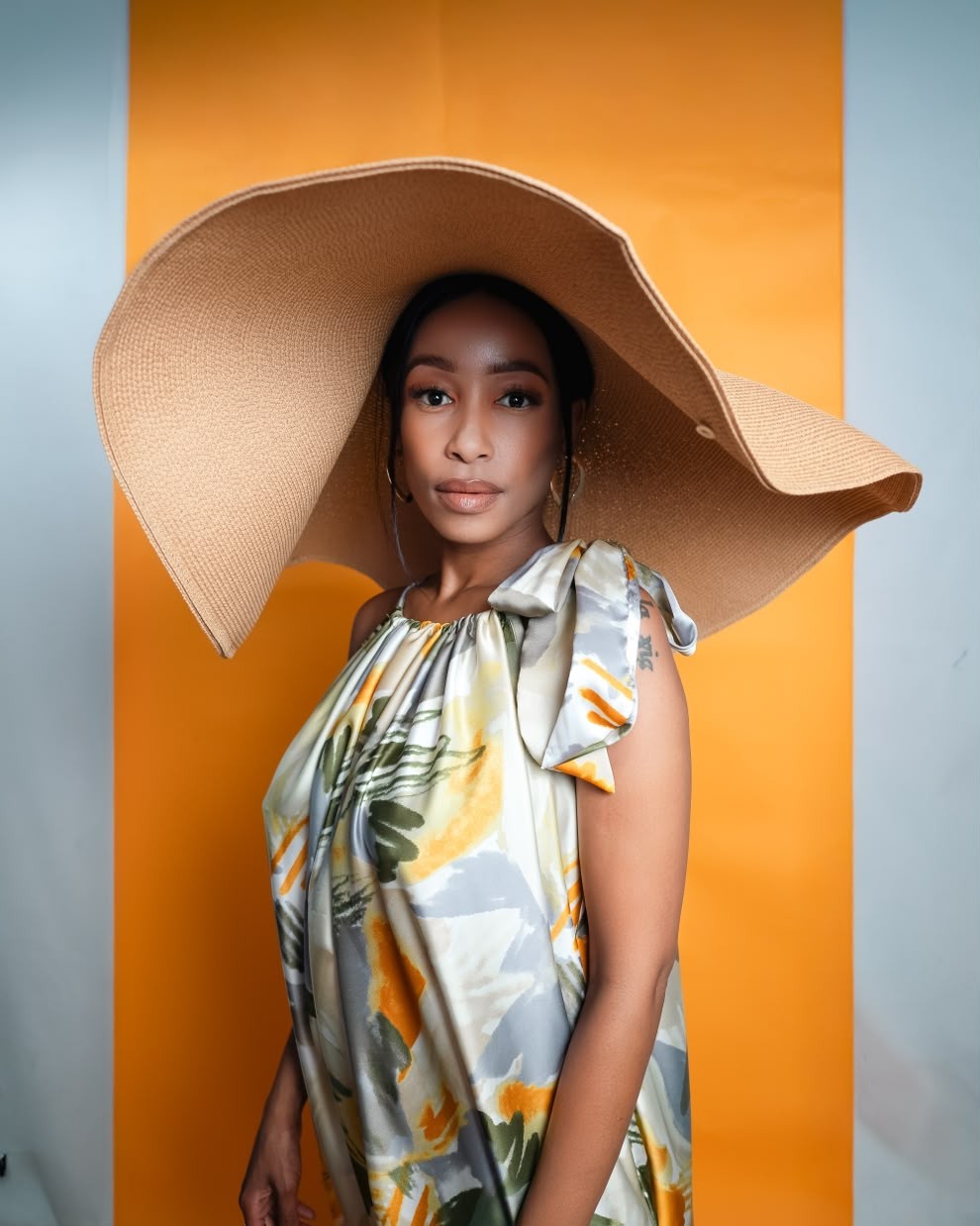
That is why the organisers’ focus on opportunities beyond the runway is significant. A successful fashion platform cannot only be measured by the number of collections presented or the audience in attendance. The connections made, collaborations developed and opportunities that follow are just as important.
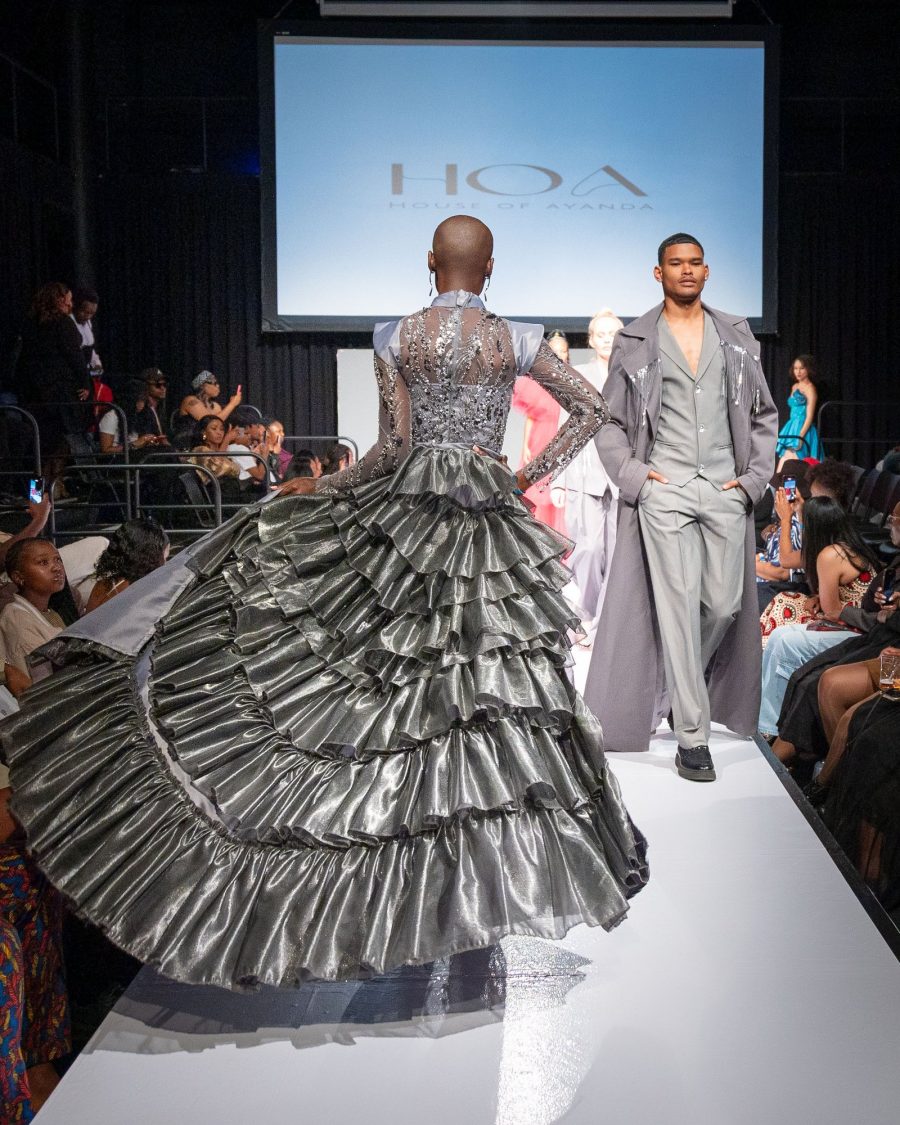
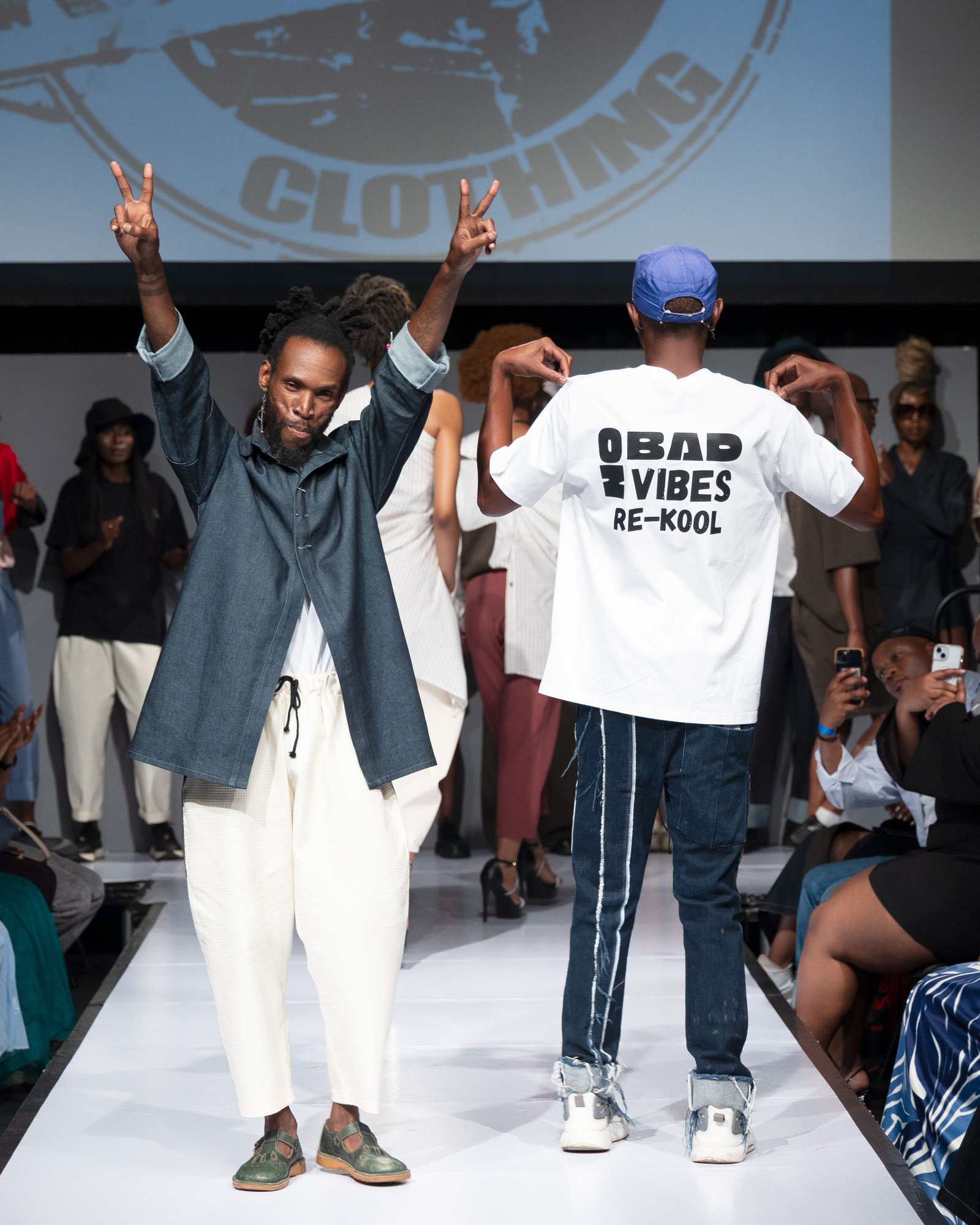
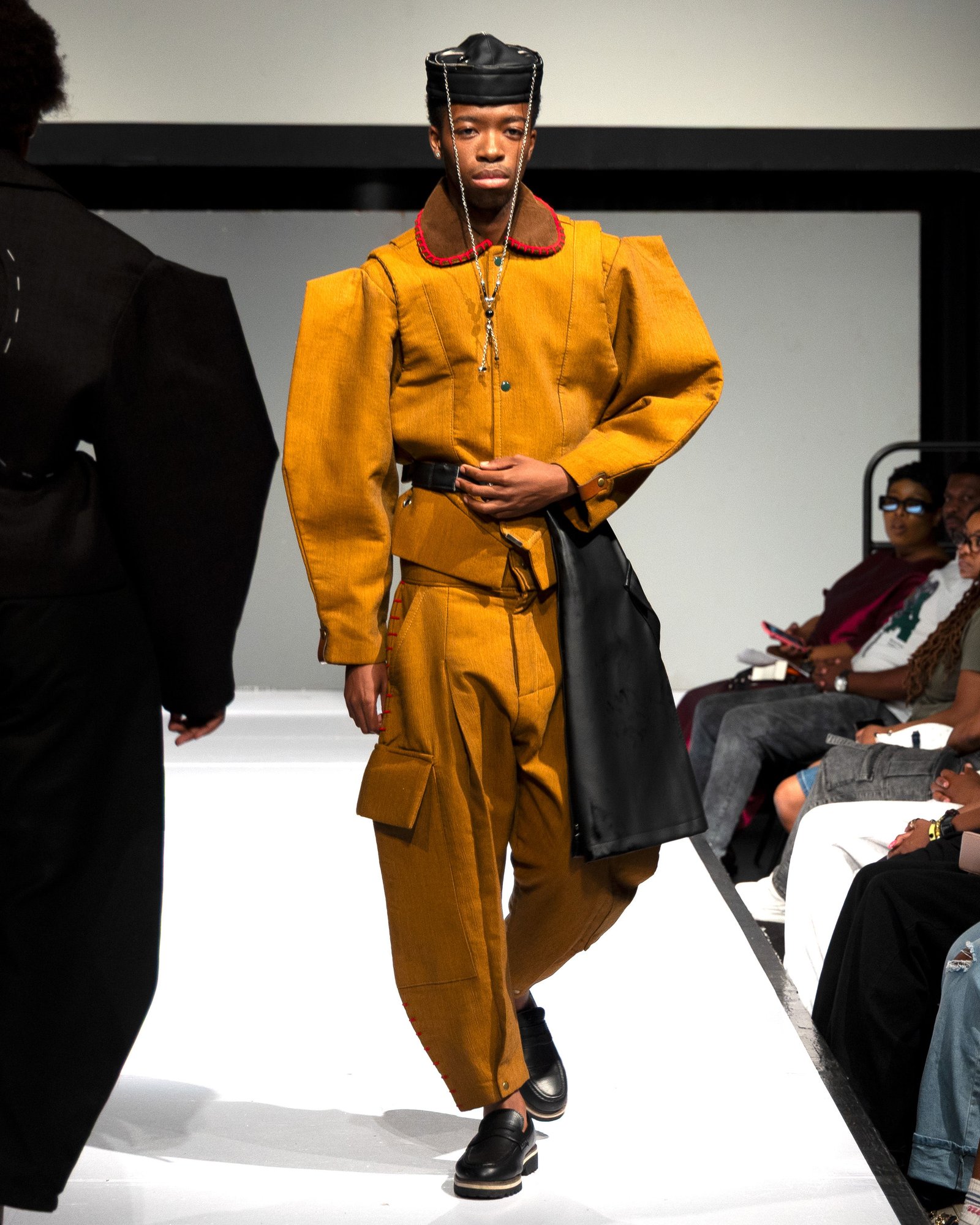
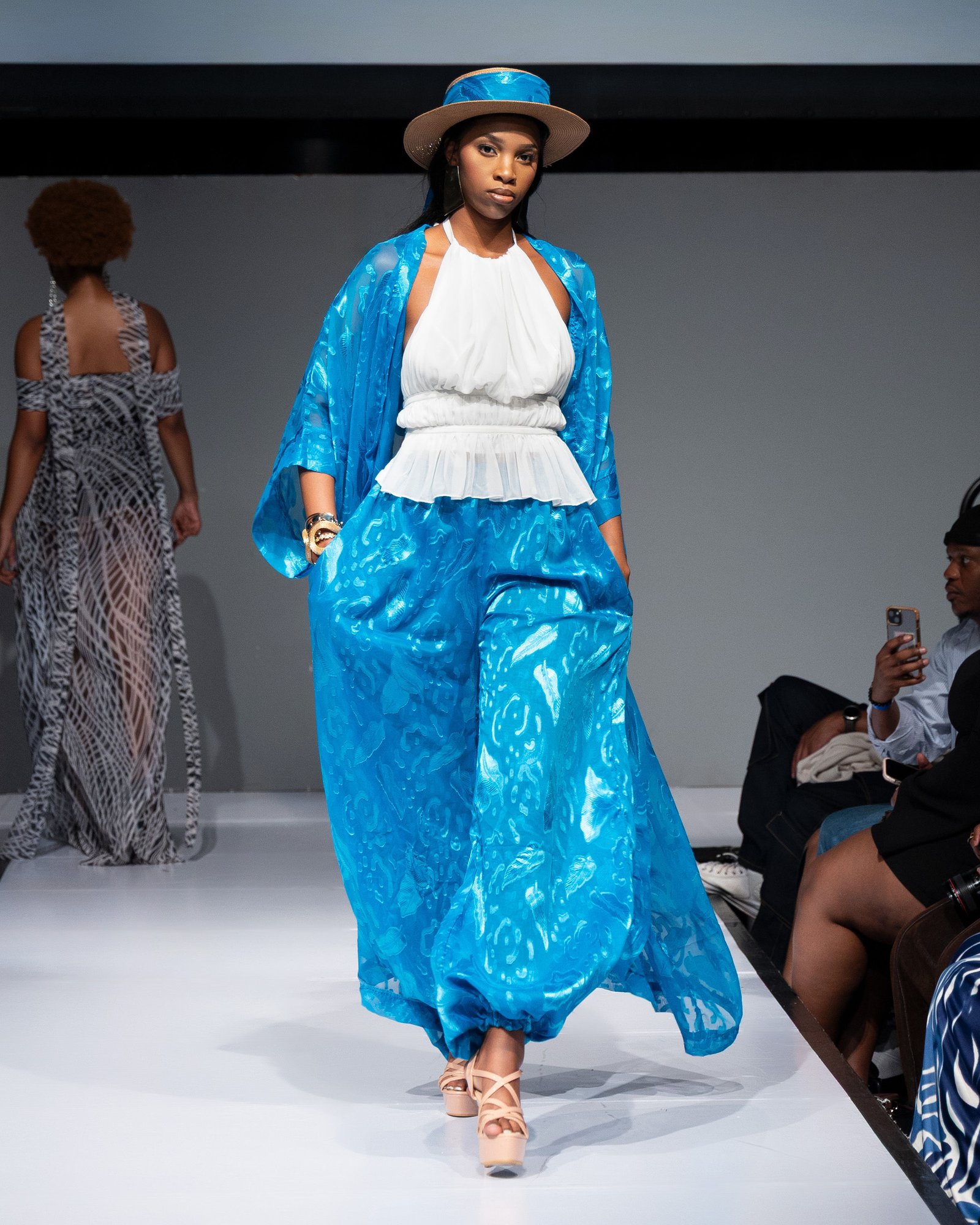
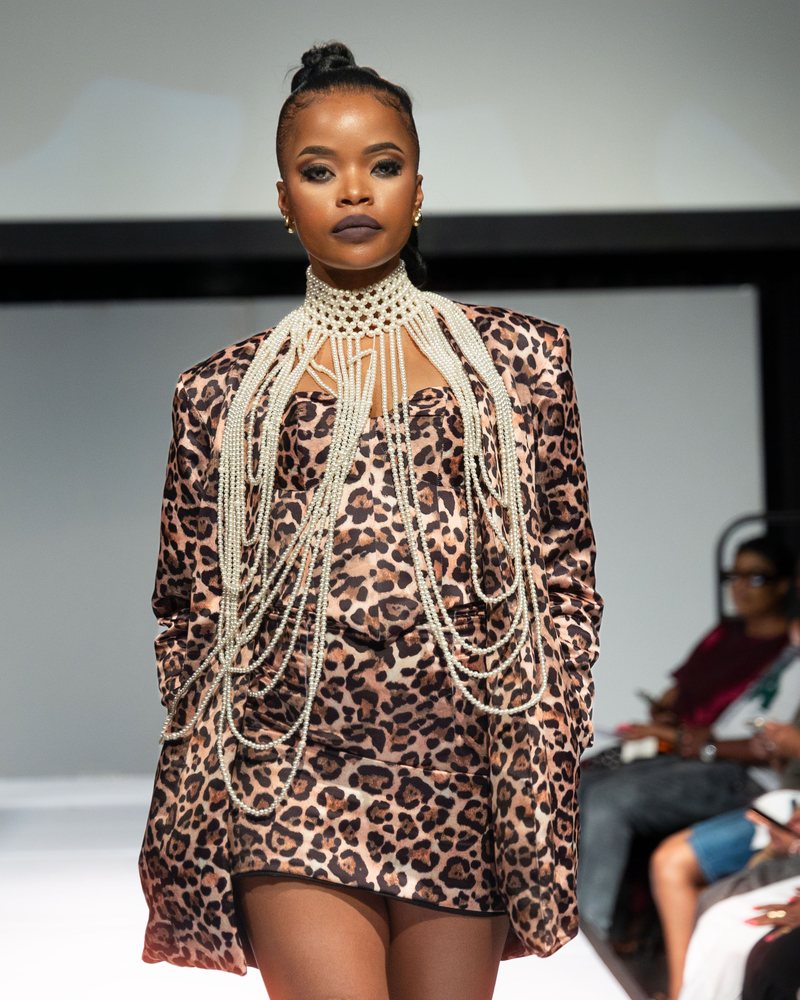
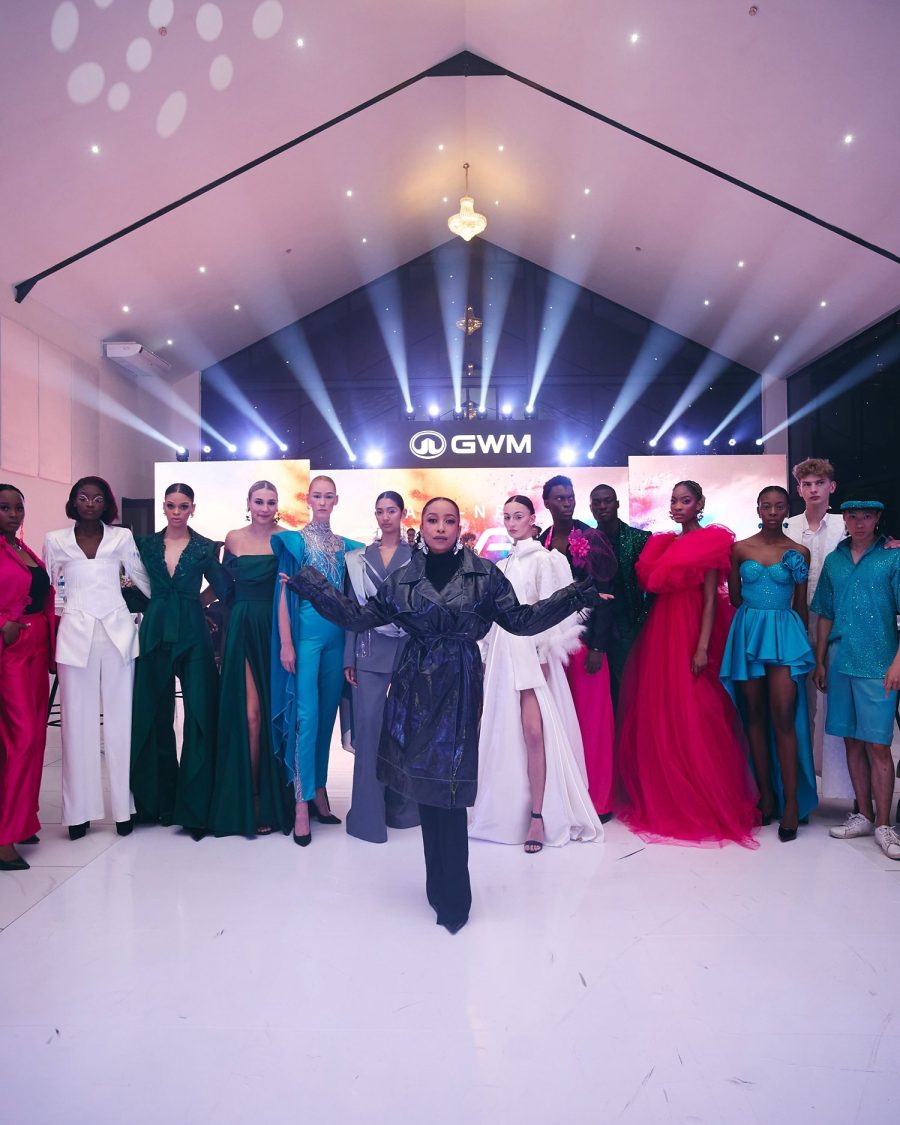
The collections themselves remain central to that experience. Across the closing-night presentations, designers brought different interpretations of style and identity to the runway, reflecting the range of creative voices participating in this year’s showcase. Mbobo Movement, On Duty – Style by Ali, Precious Lulu, House Of Ayanda, Wanda Wear by Wanda Baloyi and Originally Kasified were among the names represented.
Rather than presenting one uniform idea of South African fashion, the showcase made room for different creative directions and approaches to design. That variety is part of what gives platforms like this their value: they allow individual brands to be seen on their own terms while contributing to a larger picture of the industry.
When fashion meets other industries
The organisers also spoke about the importance of collaboration between industries, recognising that fashion does not operate in isolation. Partnerships with businesses in other sectors can open new markets, encourage innovation and create opportunities that might not emerge within fashion alone.
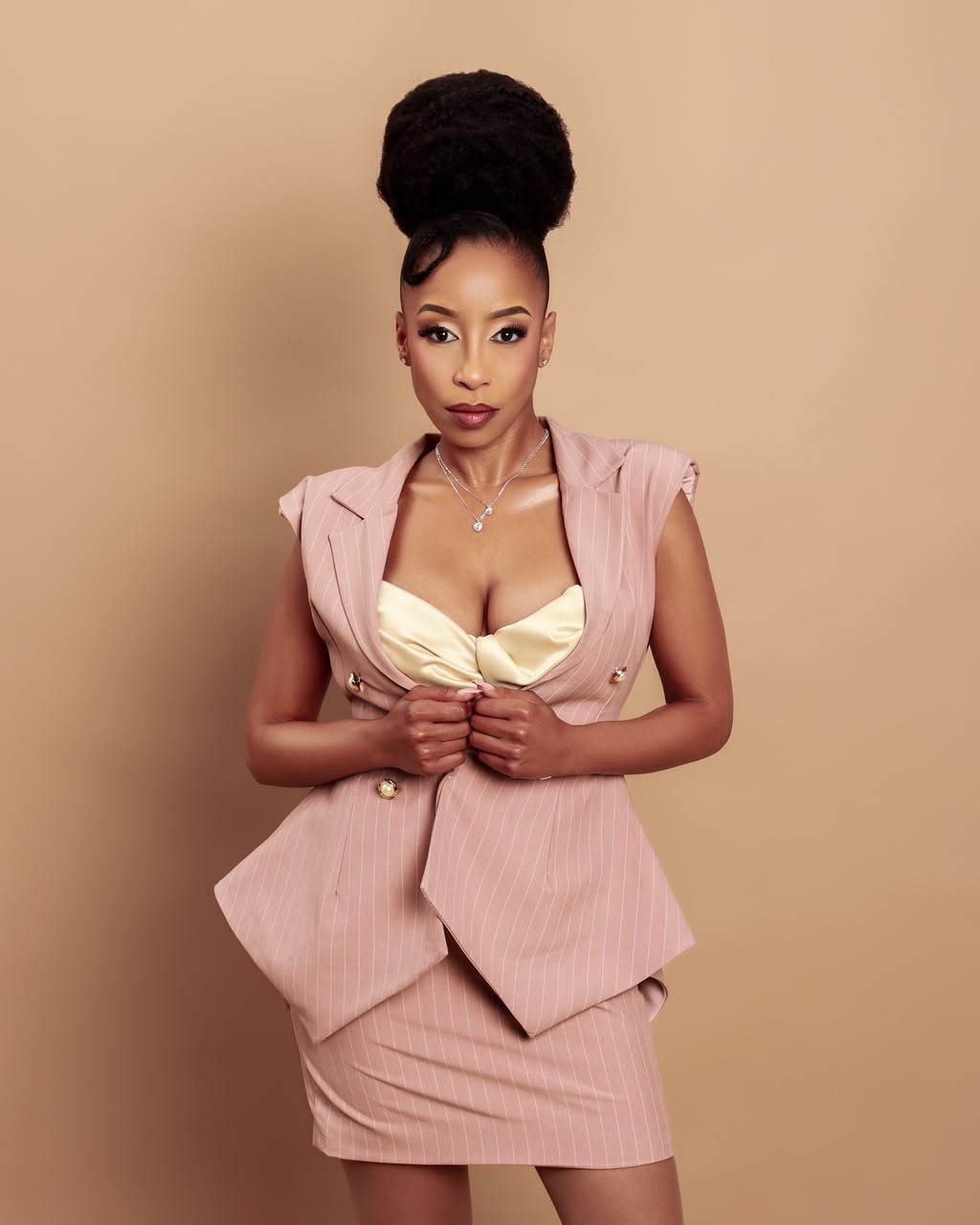
Jacqui Mabuza’s involvement through House Of Jacqui offered a practical example of that idea.
House Of Jacqui is a lifestyle and experiences business that works across branding, marketing, communications, hospitality and partnerships. Wine is one part of that wider offering, and her presence at Soweto Fashion Week brought a different dimension to the event: one that connected fashion with wine, hospitality and lifestyle.

Her interest in wine developed over a number of years, eventually leading to the establishment of House Of Jacqui as a business. The brand’s collection is built around five wines inspired by her five sons, each carrying its own identity and story. Its philosophy is captured in the line: “They are a legacy in a bottle. Made with love. Shared with the world. Five sons. Five stories. One legacy.”
At Soweto Fashion Week, House Of Jacqui introduced its limited-edition Lukhanyo Chenin Blanc and Zolile Sauvignon Blanc, bringing the brand into a setting where fashion, culture and personal expression were already part of the conversation.
For Jacqui, the connection was a natural one. Fashion, food, wine, music and art all contribute to lifestyle and cultural experiences. Bringing them together creates room for businesses to reach new audiences and for collaborations to develop across sectors.
Her involvement also extended to the event experience, including a connection with designer Wanda Baloyi and the participation of LeloMaq Events in the VIP setup. Through the Black Wines Matter Academy, where she serves as one of three directors, she also brought attention to the importance of creating more access and opportunity within the wine industry.
Making room for new connections
The Black Wines Matter Academy works to make the wine industry more accessible through education, mentorship, networks and market opportunities. With 11 wine brands in its fold, its work speaks to some of the same challenges faced by independent fashion businesses: access to established networks, distribution, funding, visibility and the ability to reach consumers.
The crossover between these industries is not simply about placing a wine brand at a fashion event. It is about recognising the potential for businesses to learn from one another, share audiences and create opportunities through collaboration.
That is also where the organisers’ longer-term ambitions for Soweto Fashion Week come into focus. Their vision extends beyond staging seasonal showcases. It includes strengthening industry relationships, attracting investment, expanding partnerships and creating more sustainable opportunities for the designers and businesses involved.
For Jacqui, the event provided an opportunity to introduce House Of Jacqui to an audience interested in creativity and self-expression, while opening the door to future collaborations with designers, restaurants, boutique hotels and other lifestyle businesses.
For designers, those kinds of connections can create new ways to present their work, develop their brands and reach customers outside traditional fashion spaces.
More than what happens on the runway
BTV attended the closing night of Soweto Fashion Week’s Spring/Summer 2026 showcase on Saturday, 7 November, at Soweto Theatre. The collections provided the visual centrepiece of the evening, but the wider conversations around the event offered a reminder of what a fashion platform can become when it makes room for more than presentations.
Soweto has no shortage of creative talent. The challenge is ensuring that talent has access to the resources, networks and commercial opportunities needed to grow. That responsibility does not sit with designers alone. It requires platforms, partners, businesses and industry stakeholders willing to work together.
After 15 years, Soweto Fashion Week has an opportunity to build on the recognition it has established and continue developing the relationships that make a lasting difference.
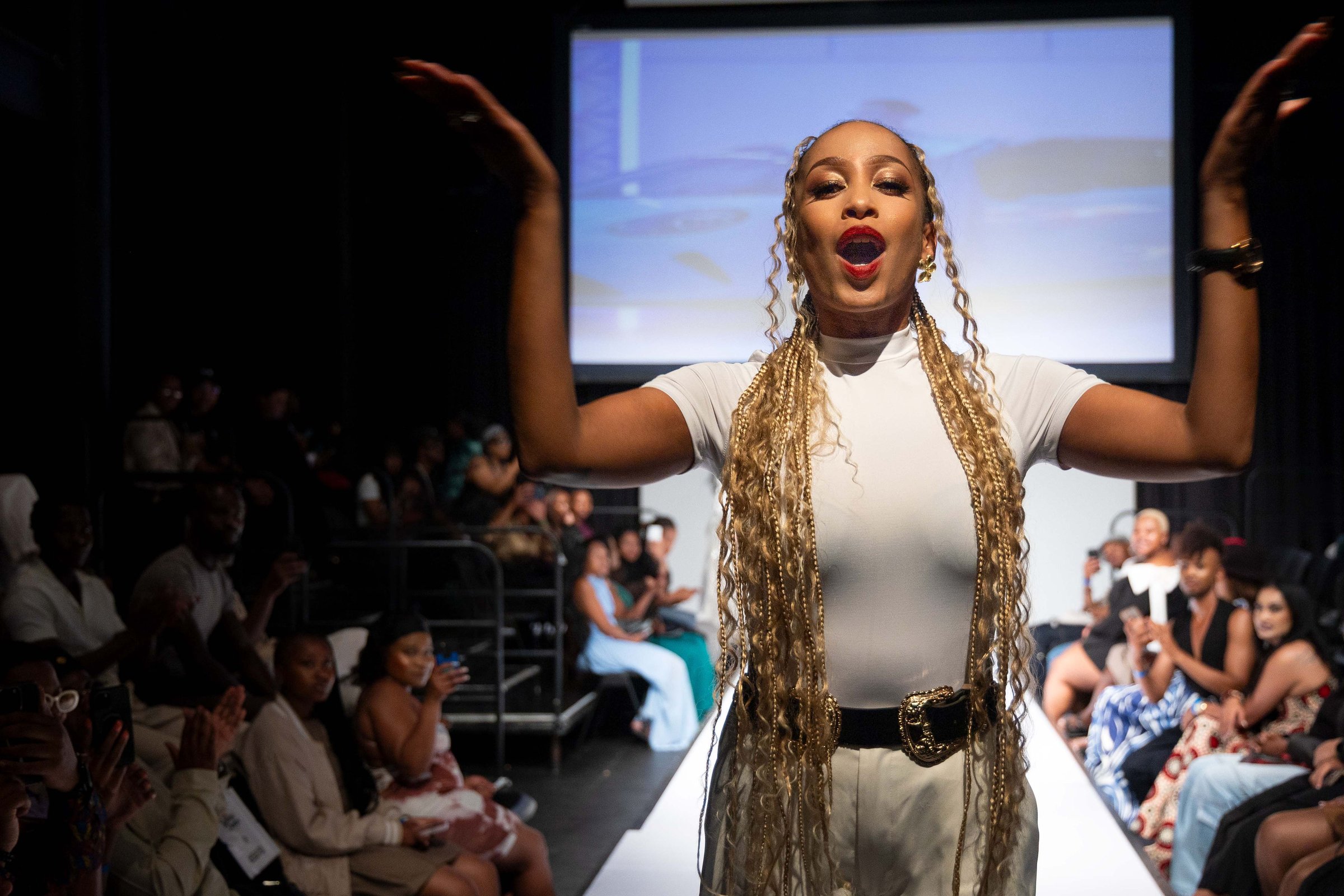
The runway may be where the collections are seen, but the real measure of a platform like this is what happens after the lights go down.
More from BTV
All stories →
HOW AFDA'S LEE-SOULAÉ IS TURNING GUITAR LOOPS, HAIR POSITIVITY & SELF-LOVE INTO AN UNMISSABLE LIVE SHOW
From her Nebai EP and “A Little Skin” to Sunday’s I Hate My Hair live album launch at…
The Kehlani Moment: R&B's Next Chapter Comes To South Africa
Fresh off a GRAMMY-winning year and the success of her self-titled album, Kehlani is bringing her World…
Elegance in Motion: Ayanda Nhlapo on the Future of House Of Ayanda
After presenting a 15-look collection through a creative collaboration between House Of Ayanda and GWM ORA…