
Elegance in Motion: Ayanda Nhlapo on the Future of House Of Ayanda
After presenting a 15-look collection through a creative collaboration between House Of Ayanda and GWM ORA 5, Ayanda Nhlapo is looking to grow the fashion house through more collaborative collections, a stronger retail and e-commerce presence and expansion into wider African and international markets.
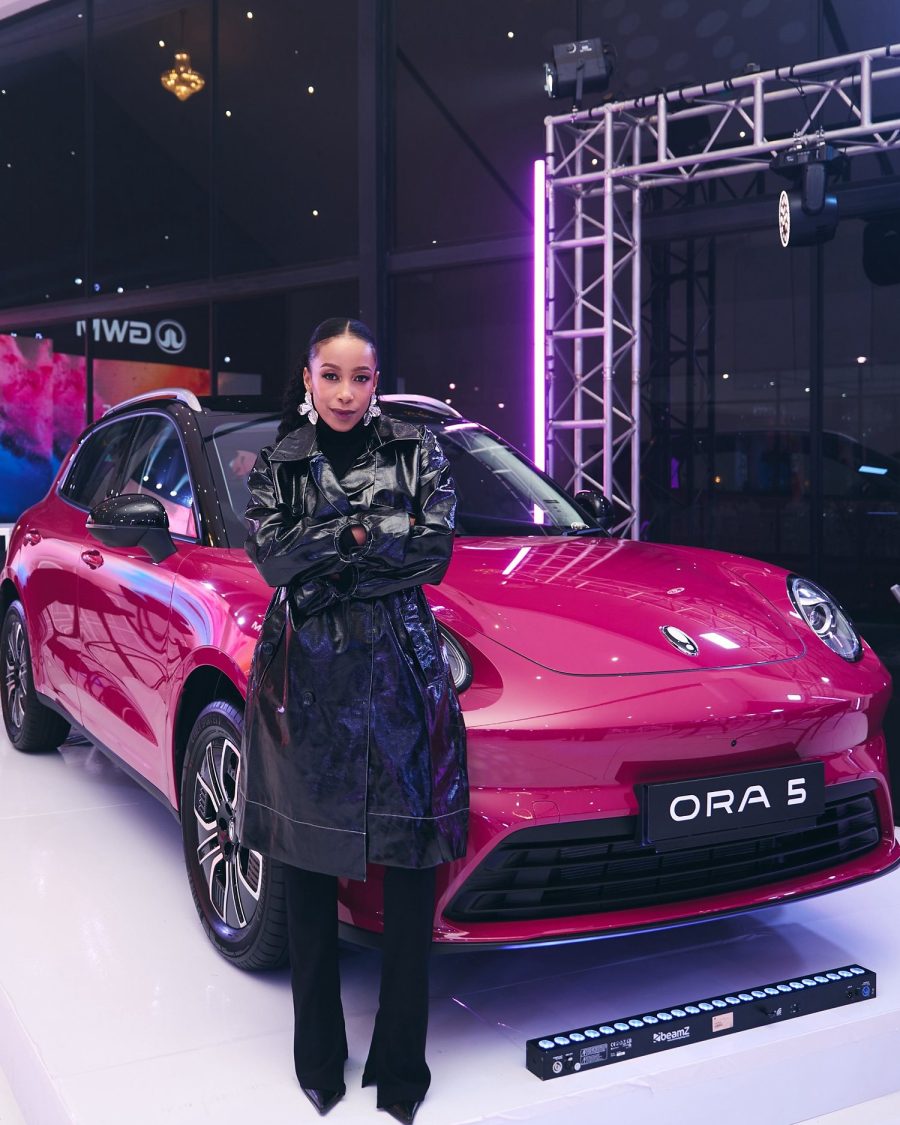
At Soweto Fashion Week, House Of Ayanda presented the ORA ICONS Collection, built around the concept Elegance in Motion. It explored the relationship between fashion, individuality, movement and contemporary design, with the GWM ORA 5’s distinctive colour palette and modern aesthetic providing the starting point.
The collection comprised 15 looks across five colourways: pink, emerald green, white, lake blue and matte grey. Rather than simply translating the vehicle’s colours into garments, House Of Ayanda wanted to interpret the personality and character of each colour through fashion.
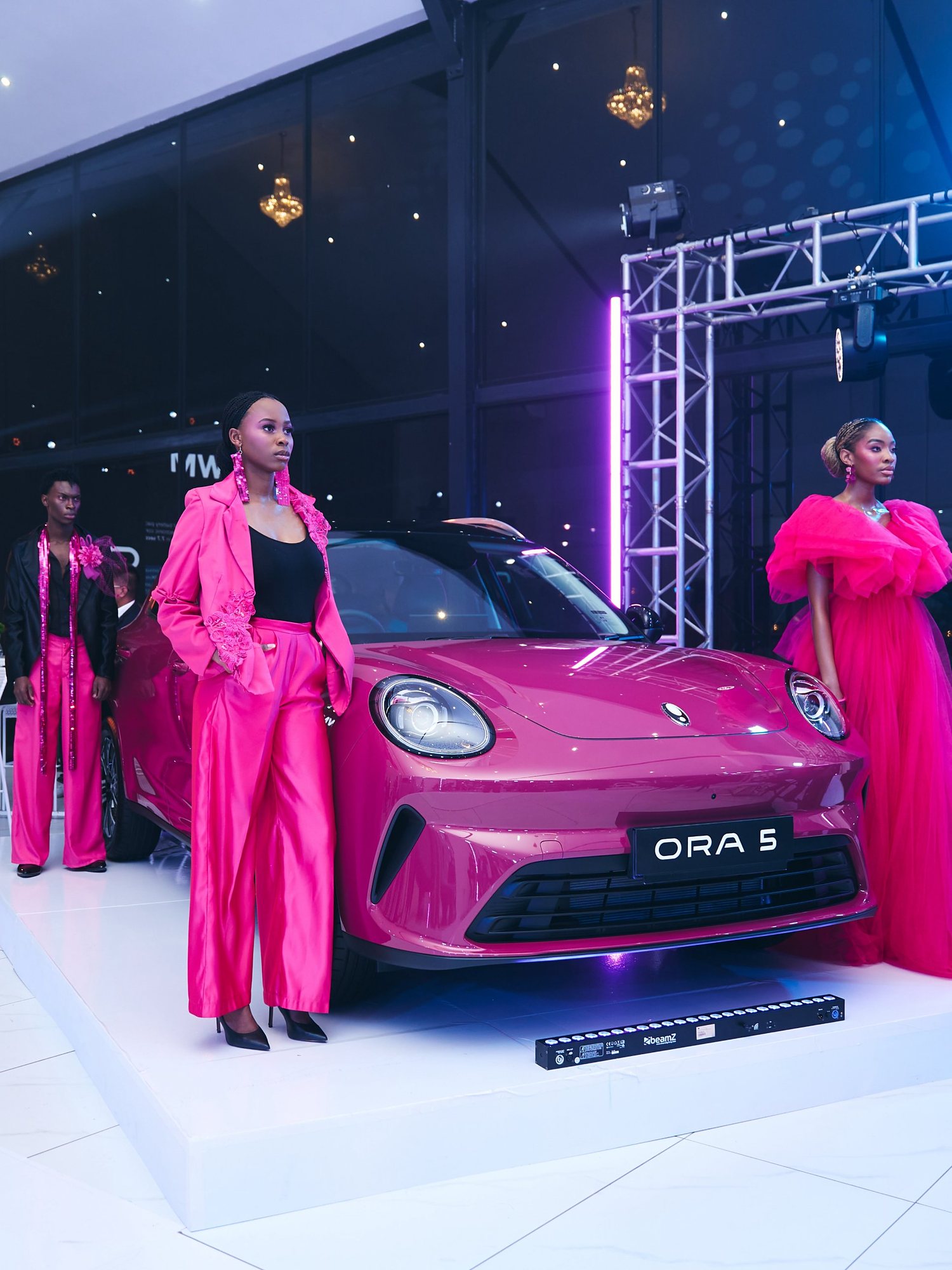
House Of Ayanda × GWM ORA 5
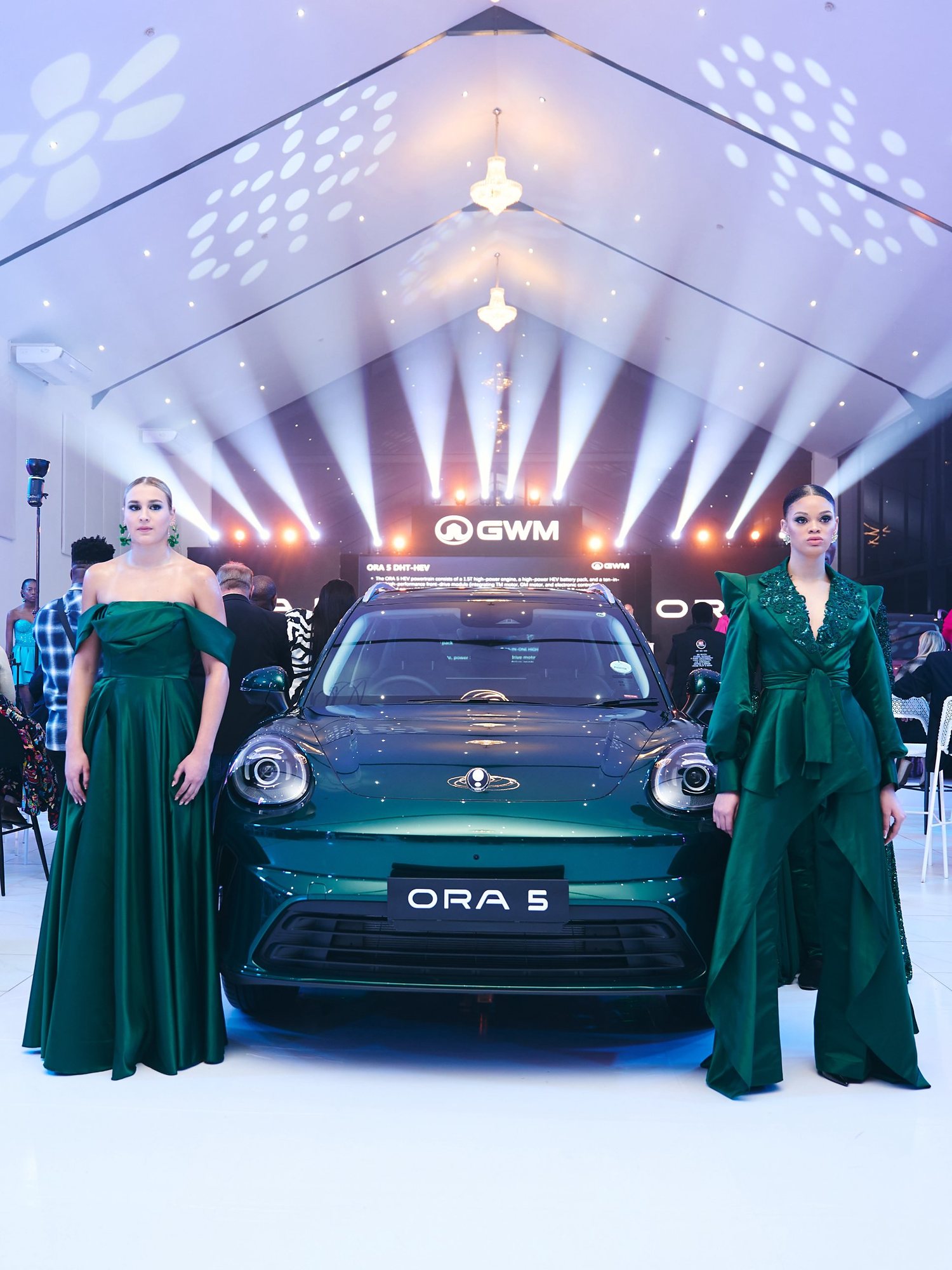
House Of Ayanda × GWM ORA 5
Interpreting Elegance in Motion
The collection explored different silhouettes, proportions, textures and expressions of contemporary dressing. Nhlapo describes an intentional balance between femininity, structure, sophistication and statement-making design.
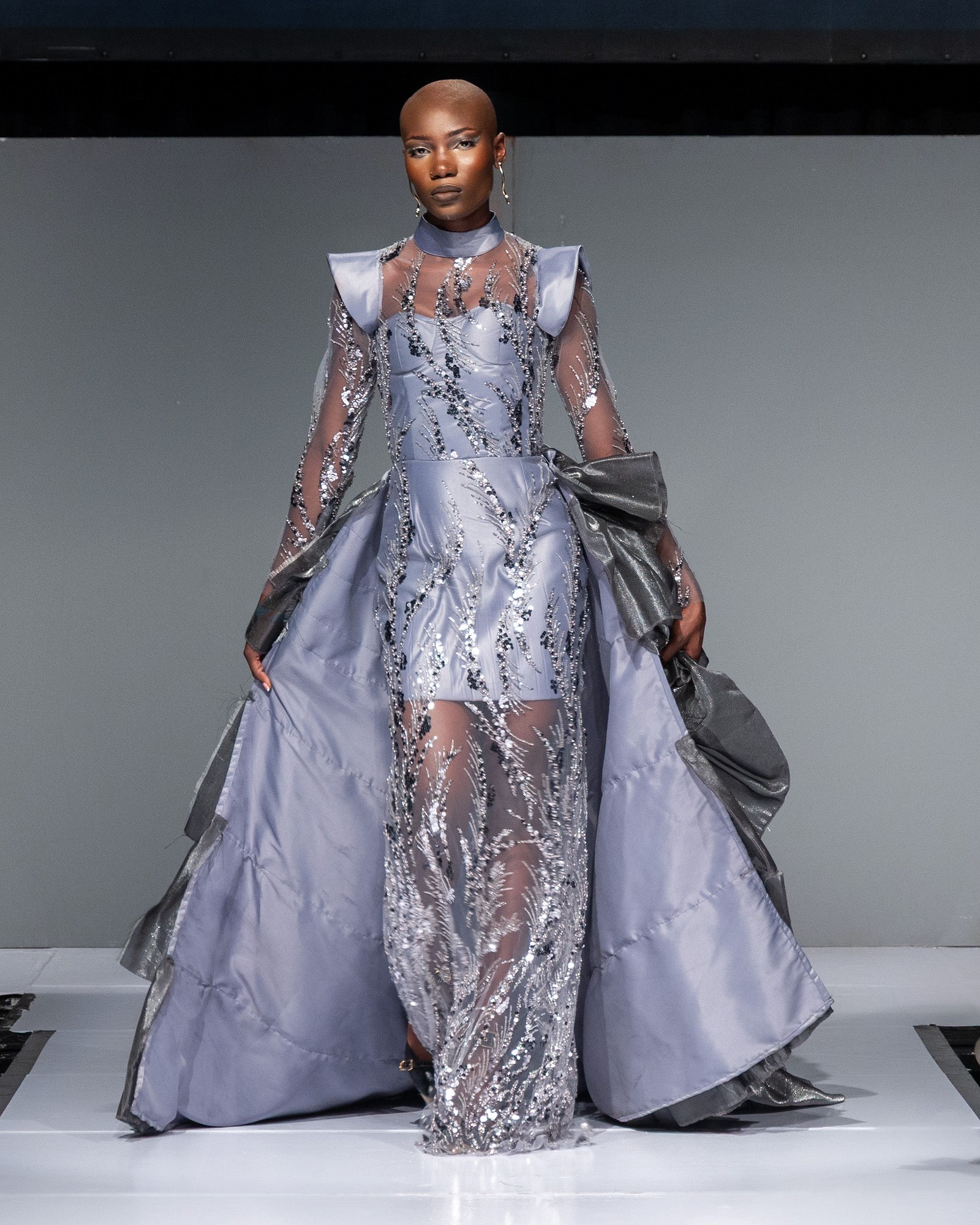
Photo: Sathia Pather Photography
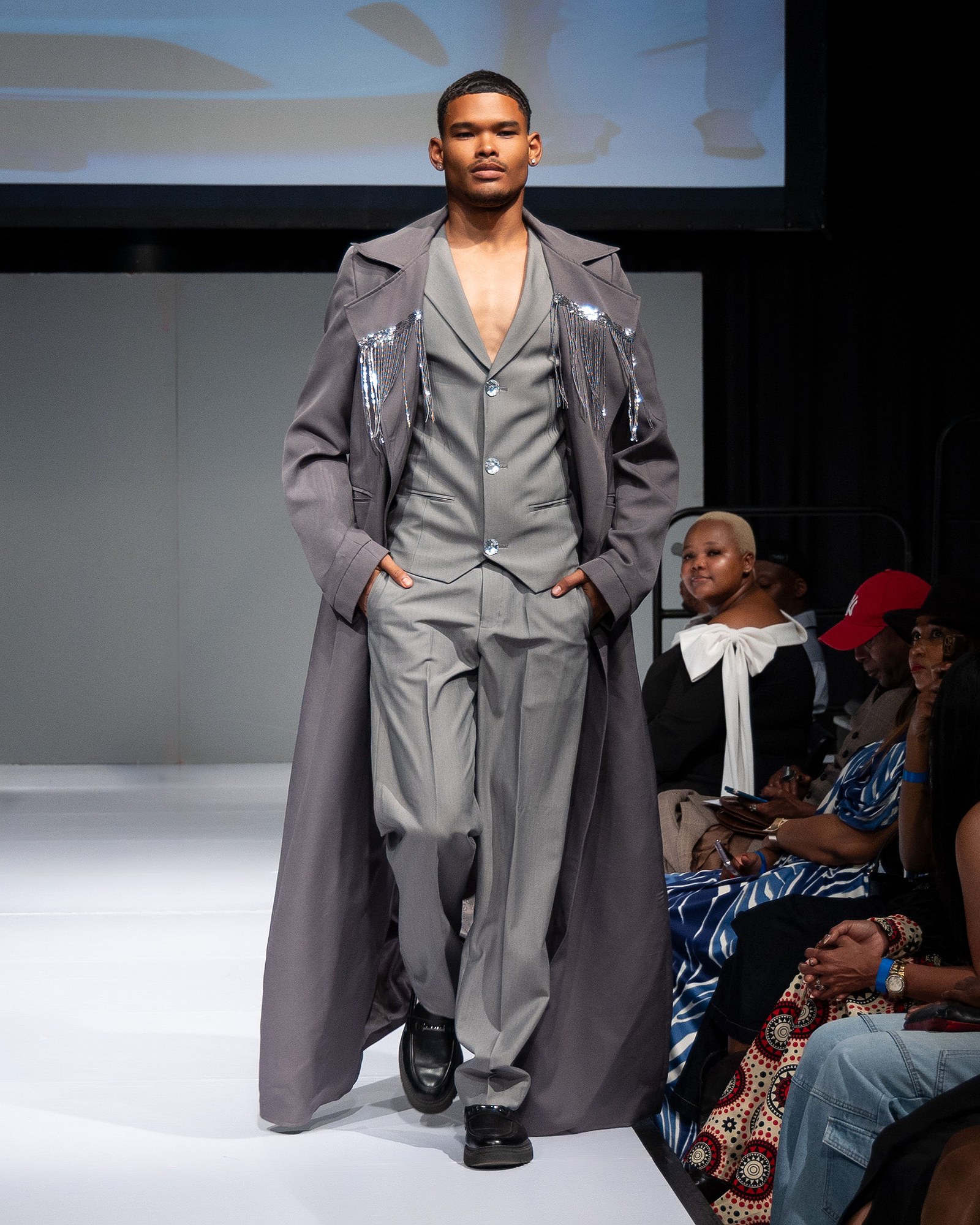
Photo: Sathia Pather Photography
Her description of how she approaches a garment connects with the collection’s title. She says she does not see a garment in isolation, but considers the entire experience: “how it moves, how it makes someone feel, what it communicates, and how it exists within a particular environment”.
The collaboration also challenged House Of Ayanda to think beyond traditional fashion presentations and explore how two different creative industries could intersect through a shared appreciation for design, innovation and individuality.
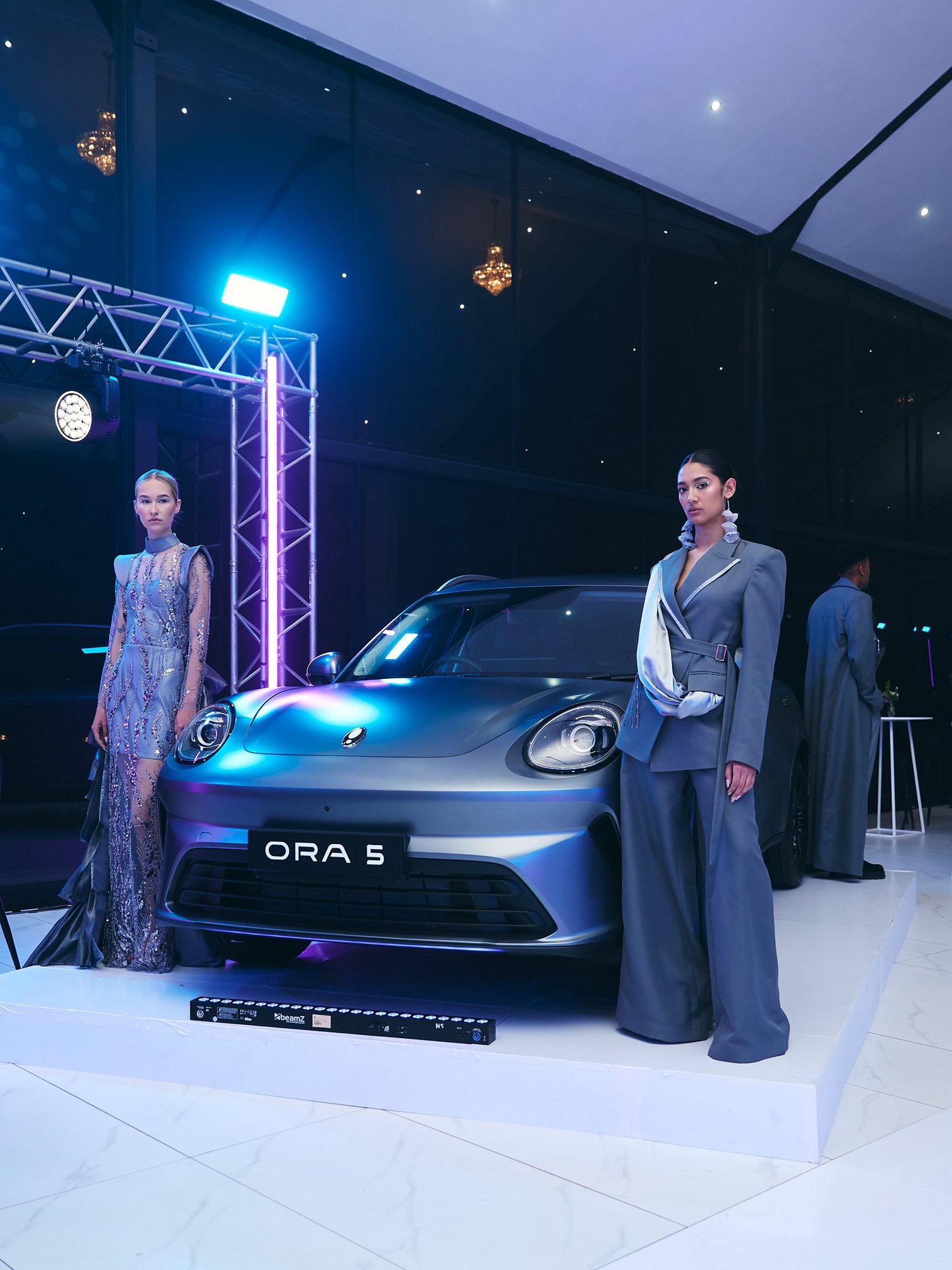
House Of Ayanda × GWM ORA 5
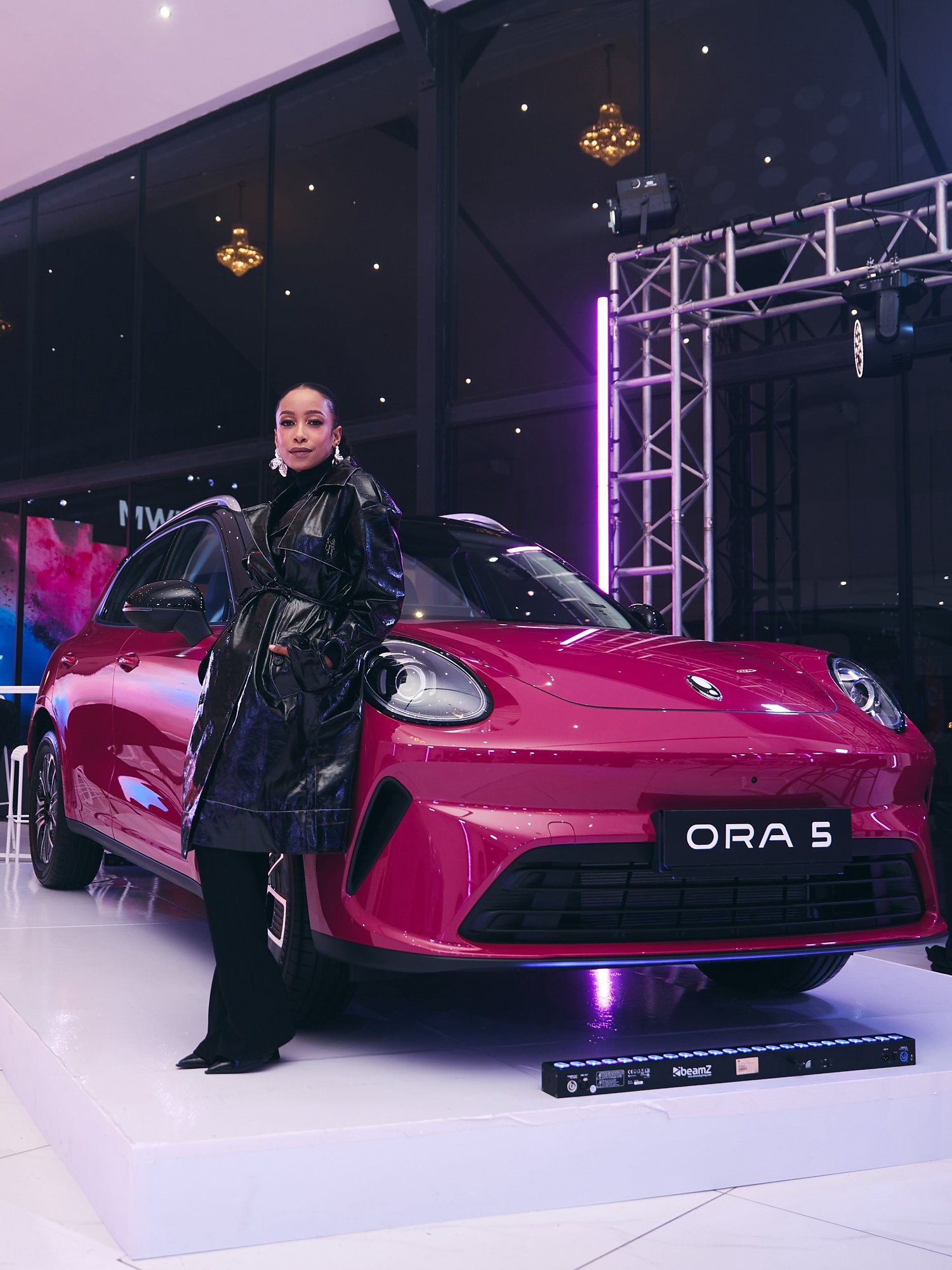
ORA ICONS Collection
Clothing and what it communicates
The name House Of Ayanda is deeply personal to Nhlapo. It carries her identity and represents the vision she wants to build. She sees it as a fashion house that can evolve, collaborate, tell stories and establish its own place within the industry.
Her relationship with fashion began long before the establishment of the brand. She studied fashion design and has worked across fashion, entertainment, television and the creative industries. Her experience as an actress, television presenter and creative practitioner has shaped her approach as a designer, particularly her understanding of clothing, identity, storytelling and visual communication.
As she puts it, clothing “communicates before a person even speaks”. It can establish a character, influence perception, evoke emotion and tell a story. Working in front of the camera has also given her an appreciation for presentation, detail, visual composition and understanding an audience.
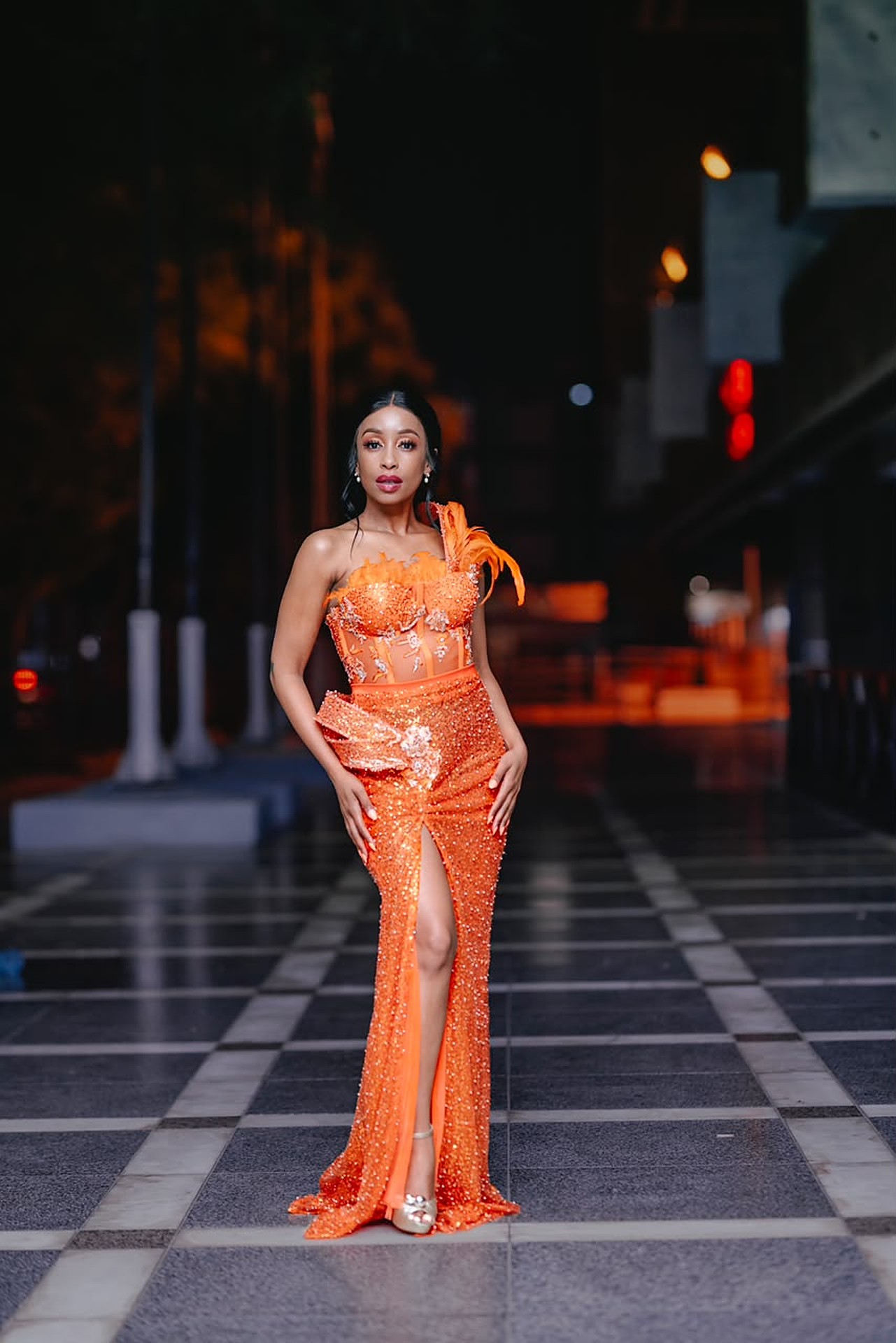
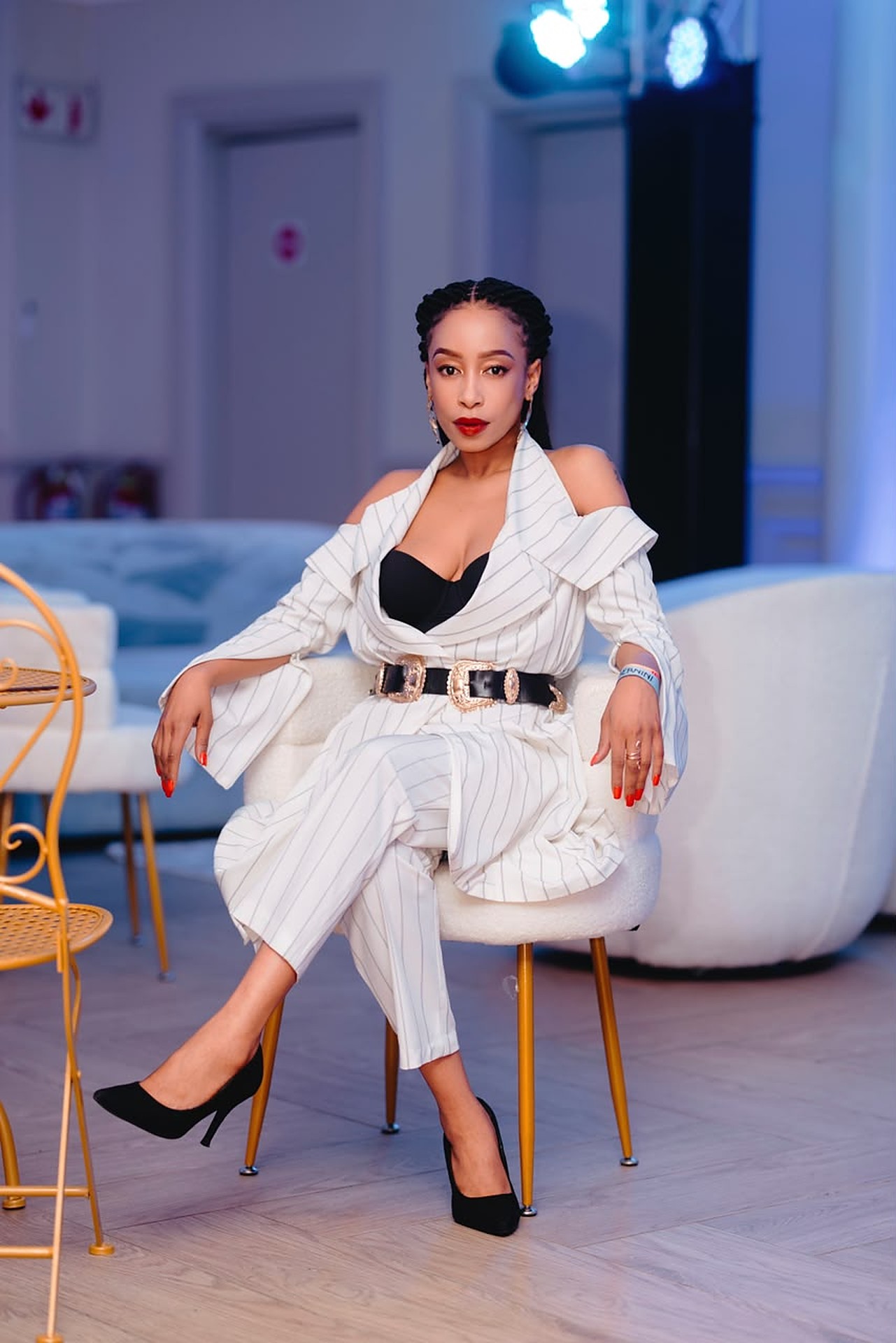
House Of Ayanda is a contemporary African fashion brand rooted in elegance, individuality and intentional design. Its aesthetic sits at the intersection of timeless sophistication and modern expression. The aim is to create distinctive pieces without being overly complicated: garments that communicate confidence, character and individuality.
Nhlapo sums up the brand’s philosophy in three words: “Elegant. Timeless. Modern.”
Beyond the clothing itself, she wants House Of Ayanda to communicate confidence, individuality, possibility and a sense of belonging. For her, fashion is also about how people express themselves, how they see themselves and how they choose to occupy spaces. She wants people to connect with the feeling and philosophy behind the brand, not just the garments.
African fashion on her own terms
Nhlapo is not interested in limiting African fashion to a particular aesthetic or visual language. She sees Africa as diverse, dynamic and constantly evolving, and believes its fashion identity should reflect that.
She does not believe African designers should have to constantly define themselves through traditional references to be considered authentically African. South African fashion draws from a changing cultural landscape, with street culture and music, traditional influences, contemporary art and global fashion movements all contributing to how people express their identities and perspectives.
Nhlapo believes designers should be able to celebrate their heritage while embracing modernity, innovation and global influences without feeling that one has to compromise the other.
“We can be contemporary, experimental, sophisticated, globally relevant, and distinctly African at the same time,” she says.
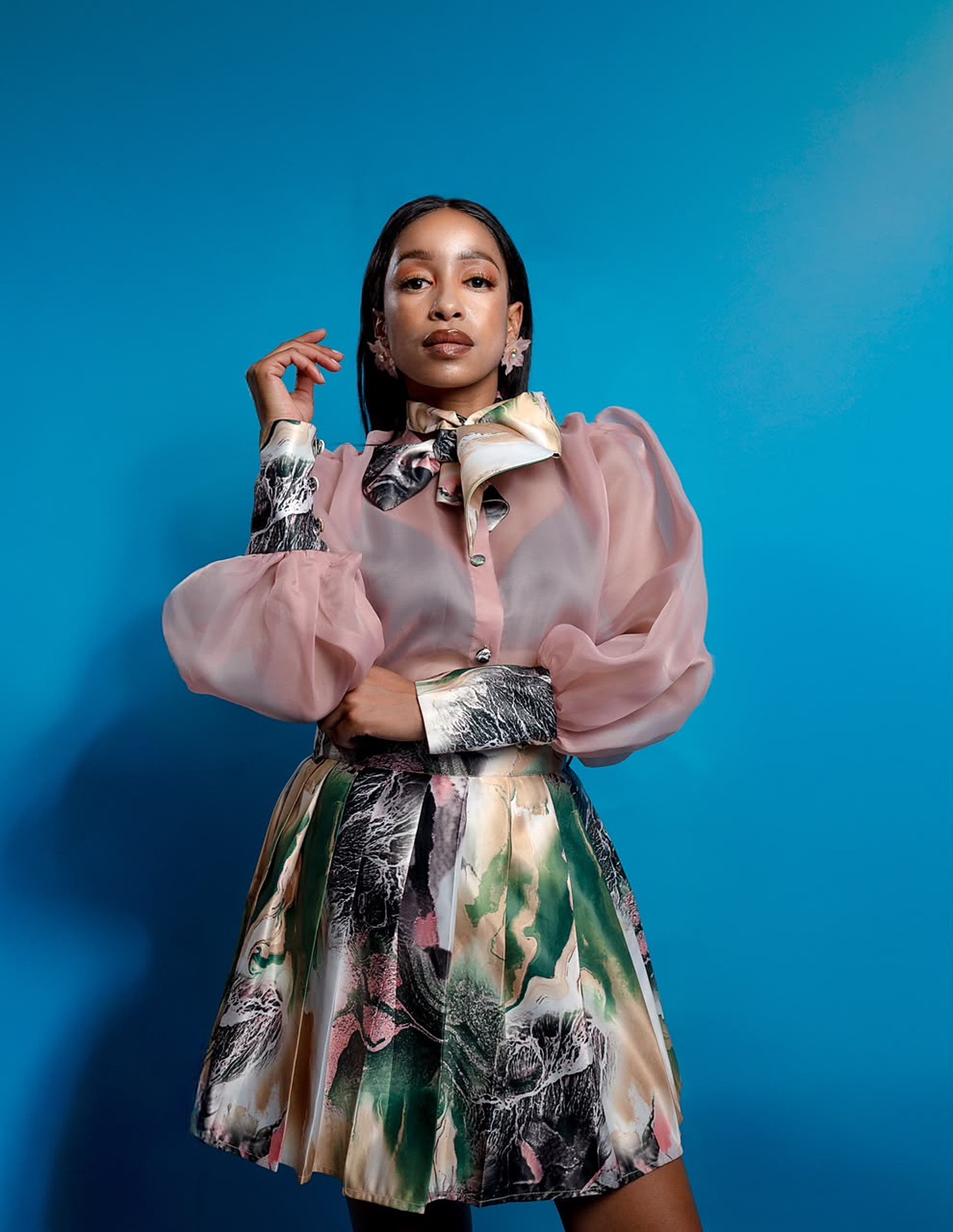
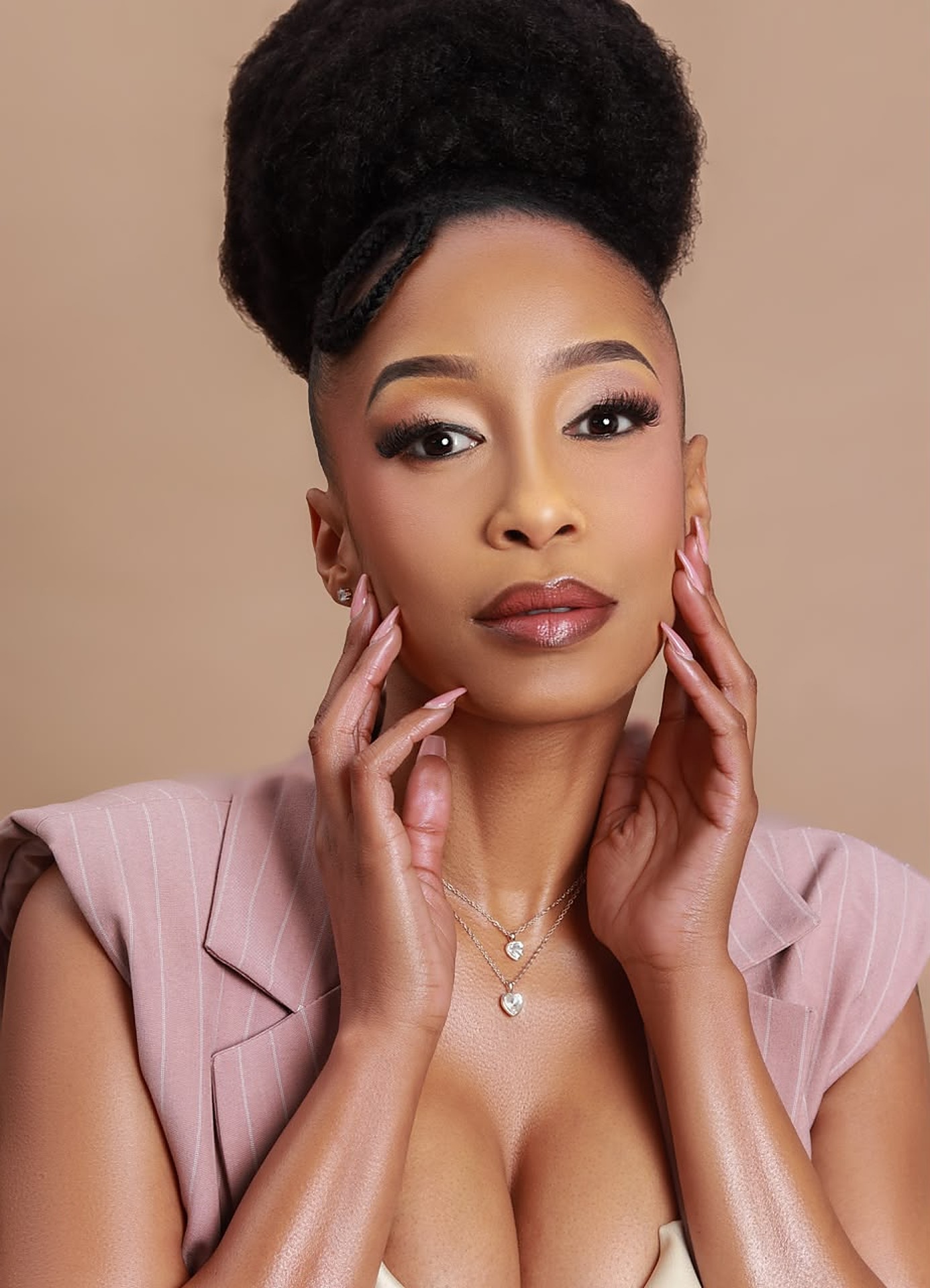
For House Of Ayanda, she wants that possibility to be reflected in a brand that embraces its African identity while confidently participating in the global fashion conversation.
The person behind the whole operation
Developing a fashion label requires more than creative direction. Nhlapo speaks about the balance between creative vision and the commercial realities of building an independent fashion business.
The work includes production, sourcing, manufacturing, cash flow, pricing, marketing, distribution and brand positioning, as well as finding the right people and resources to support the vision.
In South Africa, she says, local manufacturing can be expensive and access to funding is limited. Independent designers also operate in an industry where consumers are often exposed to international brands with significantly larger marketing and distribution budgets.
Another challenge is building brand awareness while simultaneously developing the business infrastructure needed to grow. The two, she says, have to happen together: the brand needs to reach people, while the business needs the resources and structure to support that growth.
Nhlapo says these challenges have taught her to become more strategic and intentional. Being a creative entrepreneur, in her words, means having to “wear many hats”. She describes herself as “the visionary, the problem-solver, and, sometimes, the person doing everything behind the scenes.”
She is learning to approach House Of Ayanda not only as a creative project, but as a business she wants to build sustainably and for the long term.
Beyond the runway
Nhlapo describes the atmosphere at this year’s Soweto Fashion Week as “vibrant, energetic, and filled with creative expression”. She appreciated the sense of community and shared passion for fashion, as well as the commitment to showcasing talent and celebrating individuality.
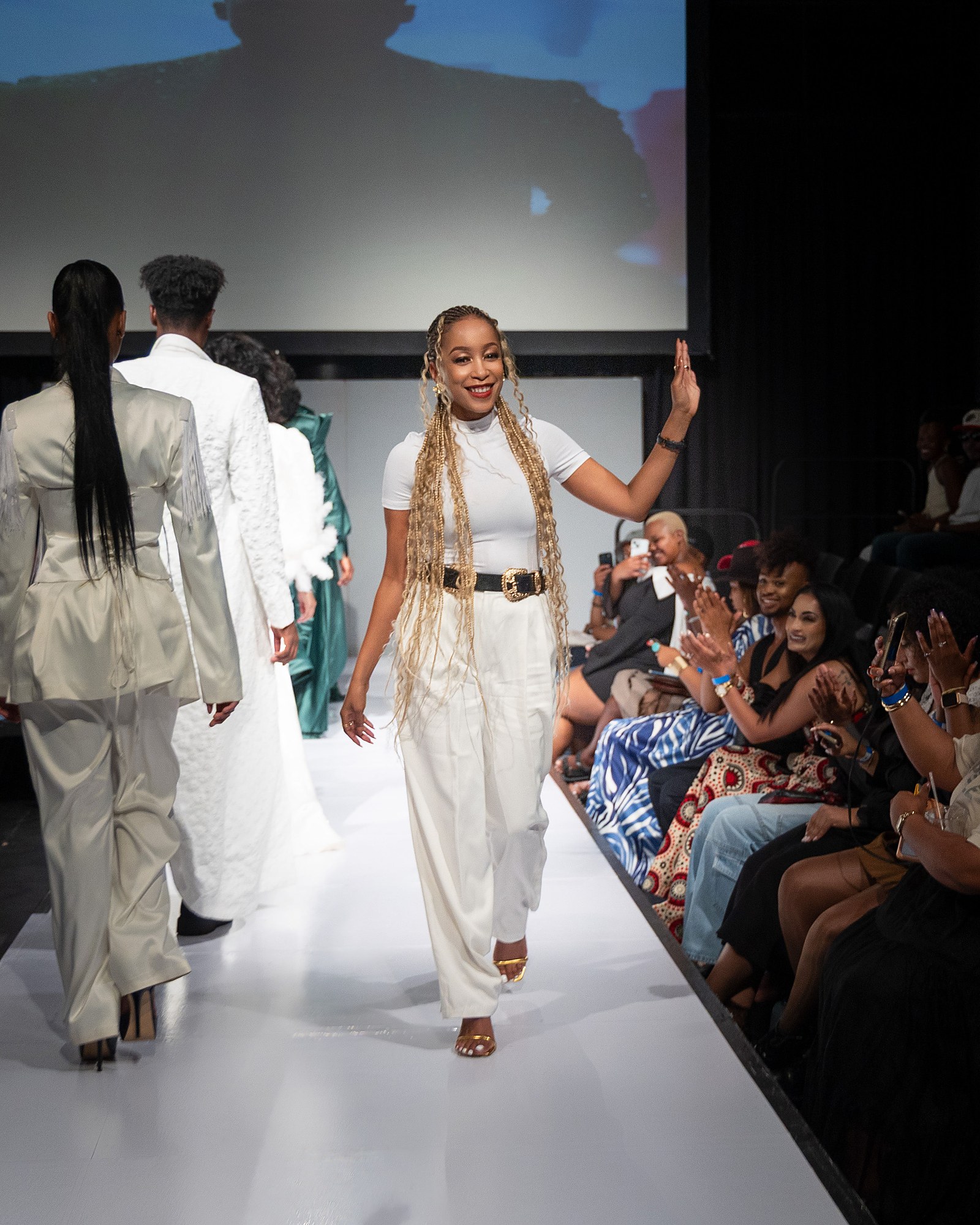
Photo: Sathia Pather Photography
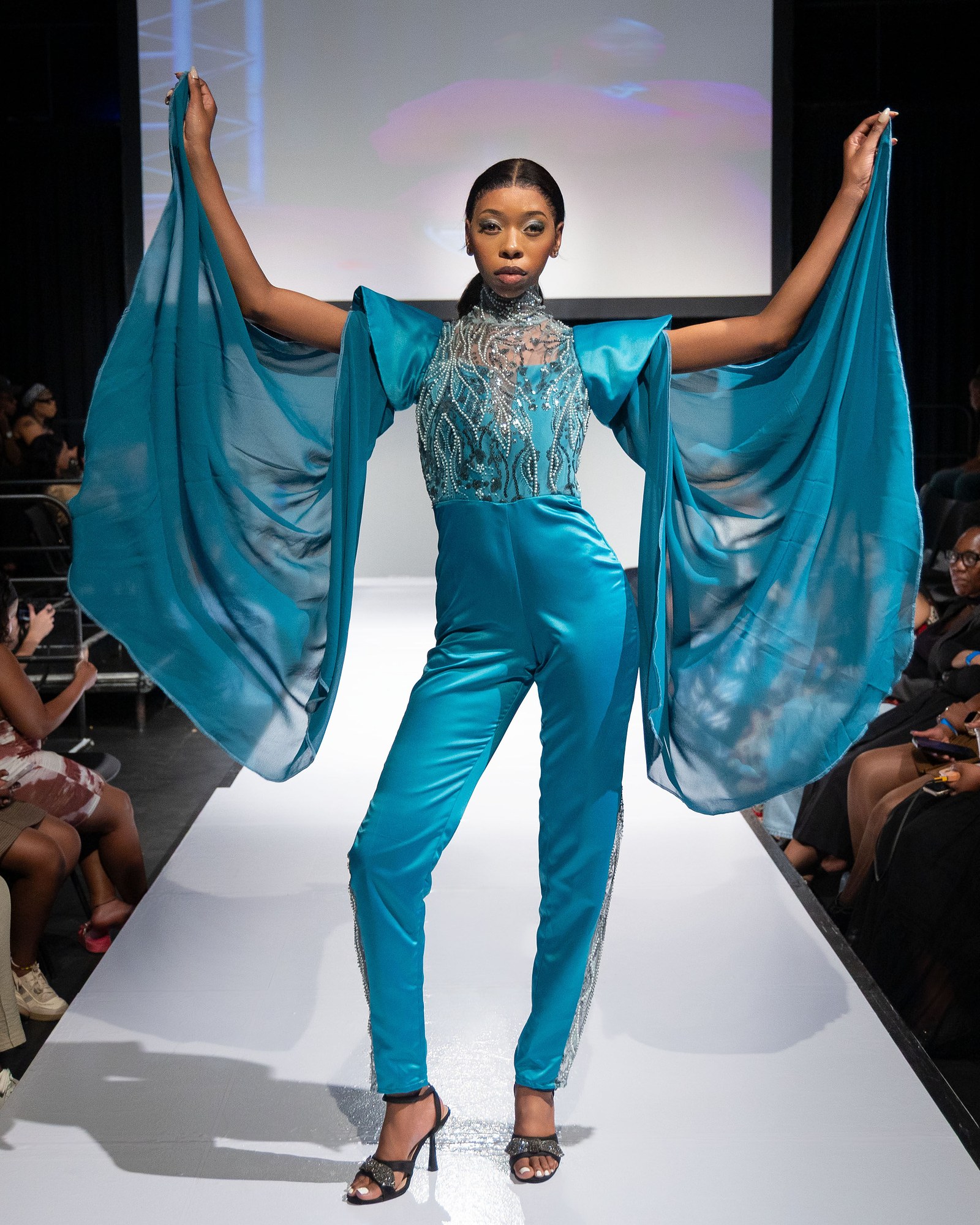
Photo: Sathia Pather Photography
Fashion Week, she says, gives audiences the opportunity to experience different interpretations of fashion, from emerging designers experimenting with their aesthetics to more established creatives presenting their evolving identities. For House Of Ayanda, it was an opportunity to be part of that collective creative energy while bringing its own interpretation of contemporary African elegance to the runway.
She considers platforms such as Soweto Fashion Week incredibly important because visibility is one of the biggest challenges facing independent designers and creative entrepreneurs. Having a platform to present their work creates opportunities to connect with potential clients, industry stakeholders, media, investors and collaborators. It also allows designers to build credibility, establish their identities and expose their work to audiences they might not otherwise reach.
However, Nhlapo believes these platforms should also be viewed as part of a bigger ecosystem. Beyond the runway, she wants to see continued investment in manufacturing, mentorship, retail opportunities, distribution and access to markets.
She says South Africa has an abundance of creative talent. The next step, in her view, is to build the infrastructure and commercial opportunities that allow that talent to translate into sustainable businesses.
The next chapter
The next chapter for House Of Ayanda is centred on growth, brand positioning and expansion. Nhlapo says the brand is looking at developing more collaborative collections, strengthening its retail and e-commerce presence, exploring strategic partnerships and creating opportunities to take the brand into broader African and international markets.
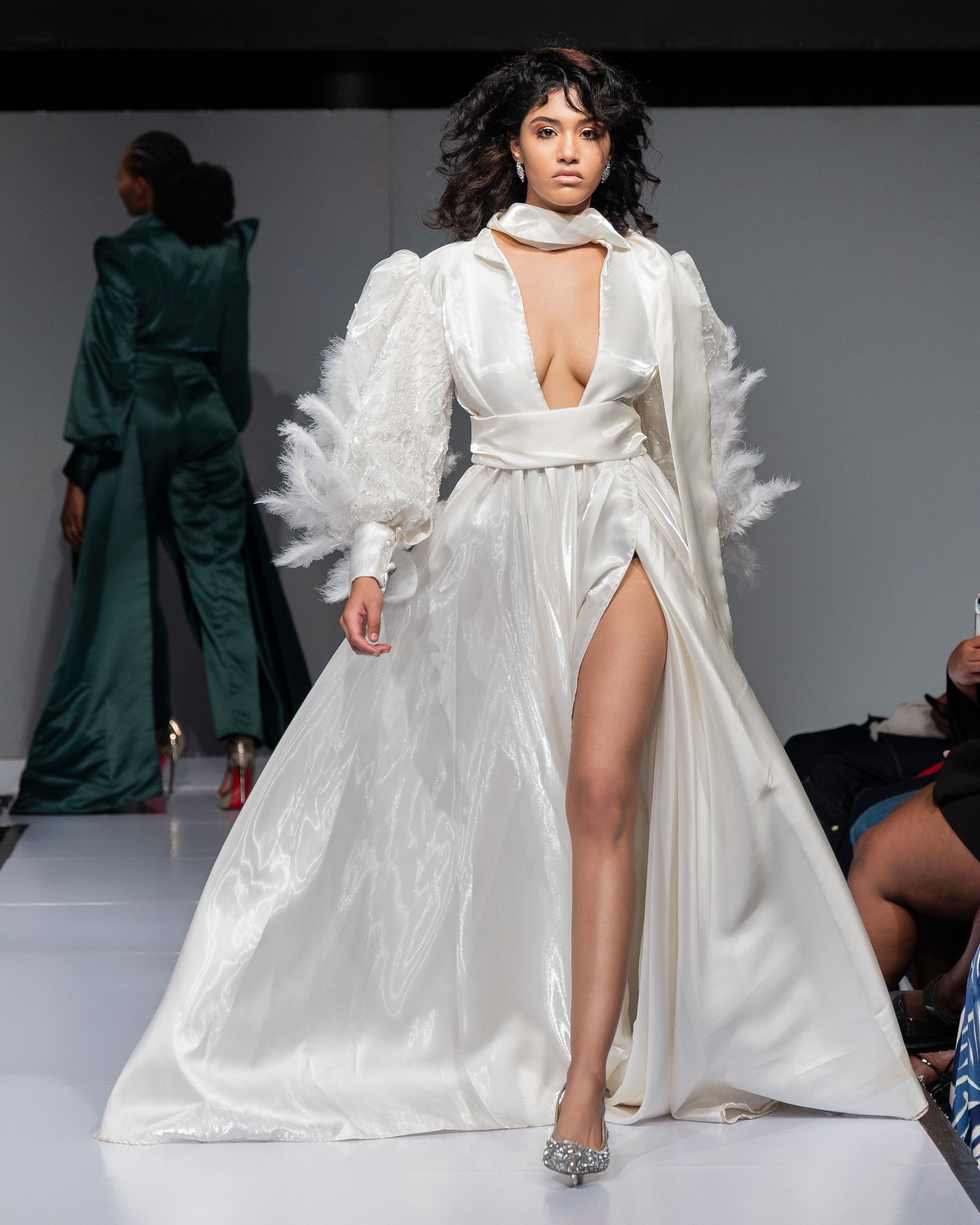
Photo: Sathia Pather Photography
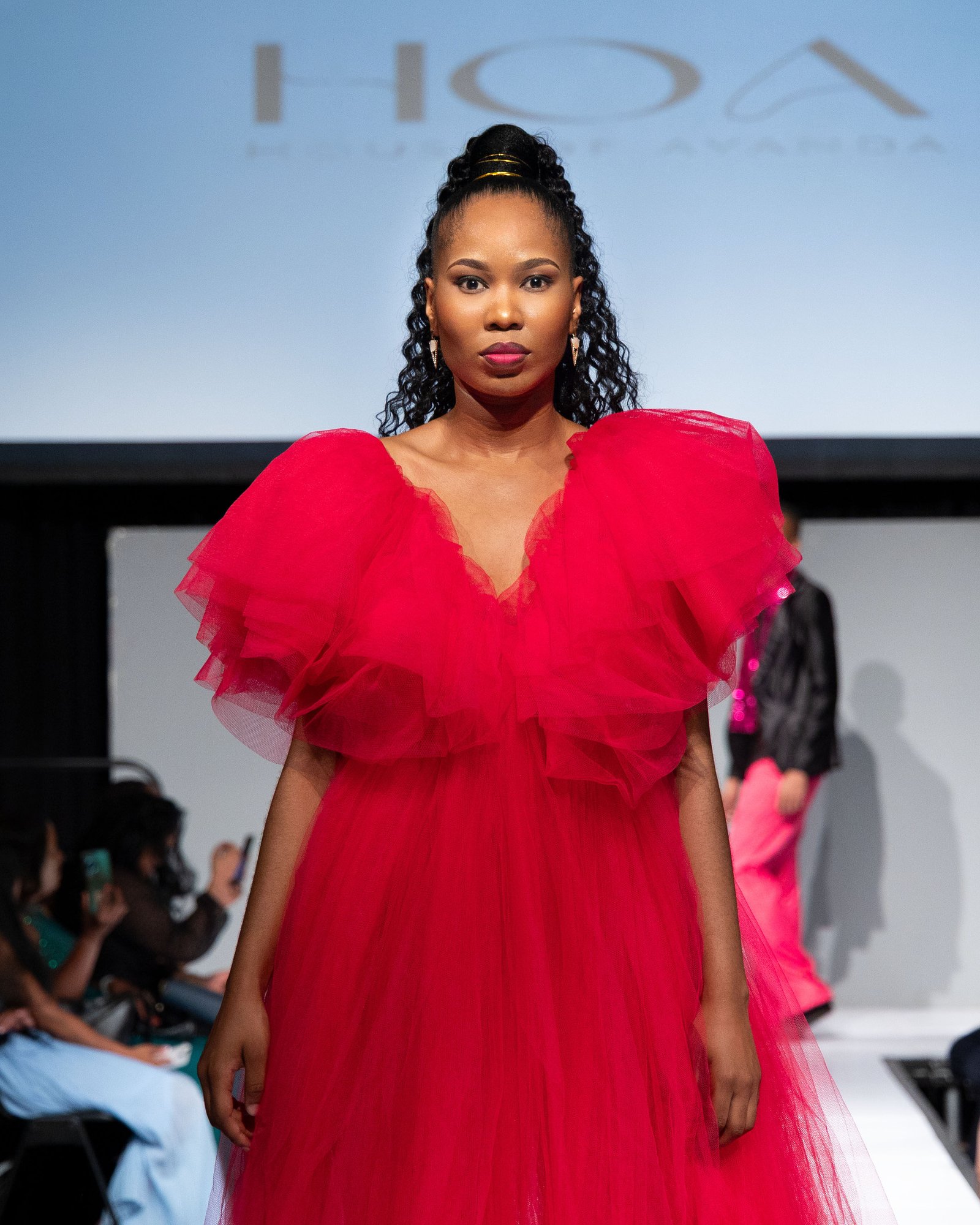
Photo: Sathia Pather Photography
Her long-term ambition is to establish House Of Ayanda as a recognised African fashion house with a strong international presence. She envisions a brand that operates across different creative and commercial spaces, from ready-to-wear and contemporary luxury to bespoke design, collaborative collections and lifestyle products.
She would also like to build a stronger ecosystem around the brand by creating opportunities for local artisans, emerging designers, pattern makers, machinists and other creatives within the fashion value chain. Beyond the garments, she sees potential for House Of Ayanda to grow into a broader creative platform exploring fashion, culture, lifestyle and innovation.
International expansion is also part of the vision. Nhlapo would love to see House Of Ayanda represented at international fashion weeks, stocked by selected international retailers and collaborating with global brands.
Ultimately, she is not simply interested in building a fashion label that produces beautiful collections. “I want to build a legacy, a business with longevity, a recognisable creative identity and a meaningful contribution to the African fashion industry.”
More from BTV
All stories →
HOW AFDA'S LEE-SOULAÉ IS TURNING GUITAR LOOPS, HAIR POSITIVITY & SELF-LOVE INTO AN UNMISSABLE LIVE SHOW
From her Nebai EP and “A Little Skin” to Sunday’s I Hate My Hair live album launch at…
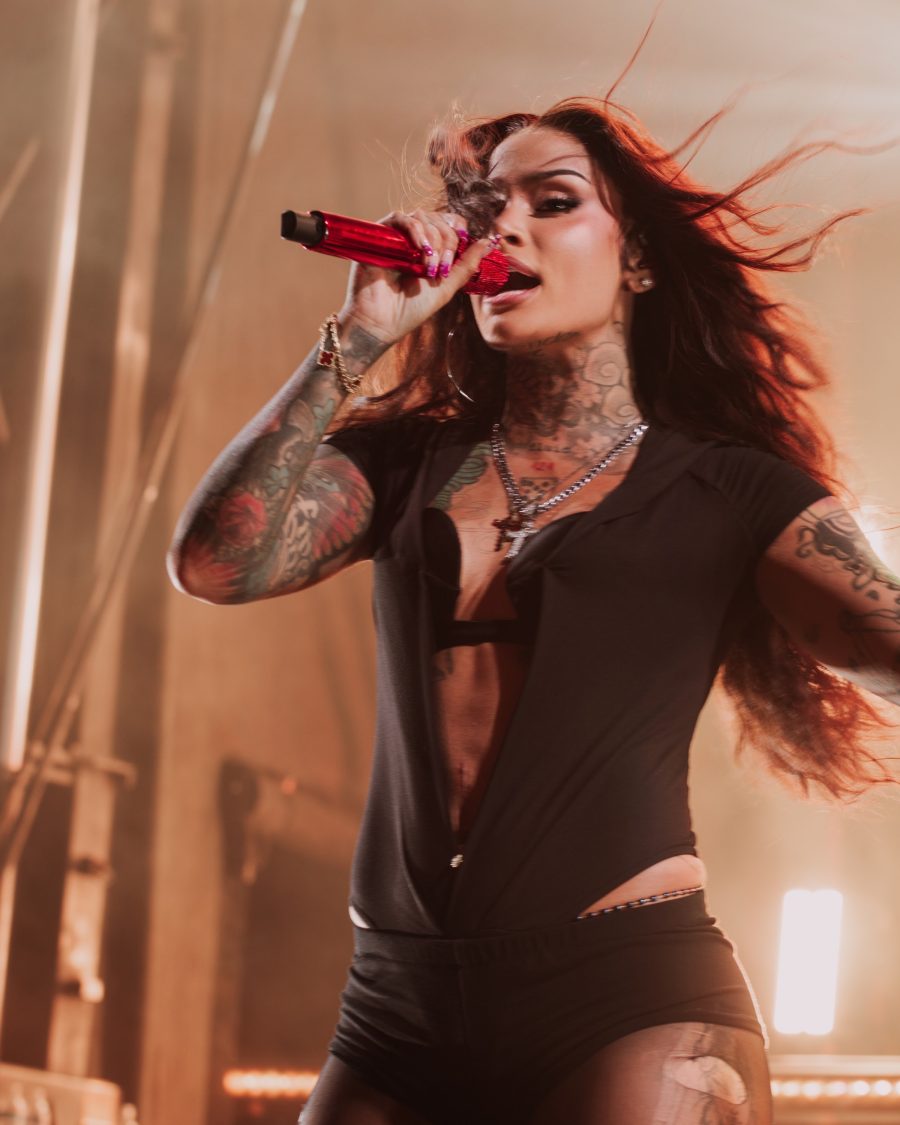
The Kehlani Moment: R&B's Next Chapter Comes To South Africa
Fresh off a GRAMMY-winning year and the success of her self-titled album, Kehlani is bringing her World…

Five Sons, Five Stories: The Business Behind House Of Jacqui
What began as a personal story has developed into a business that brings together brand strategy,…